
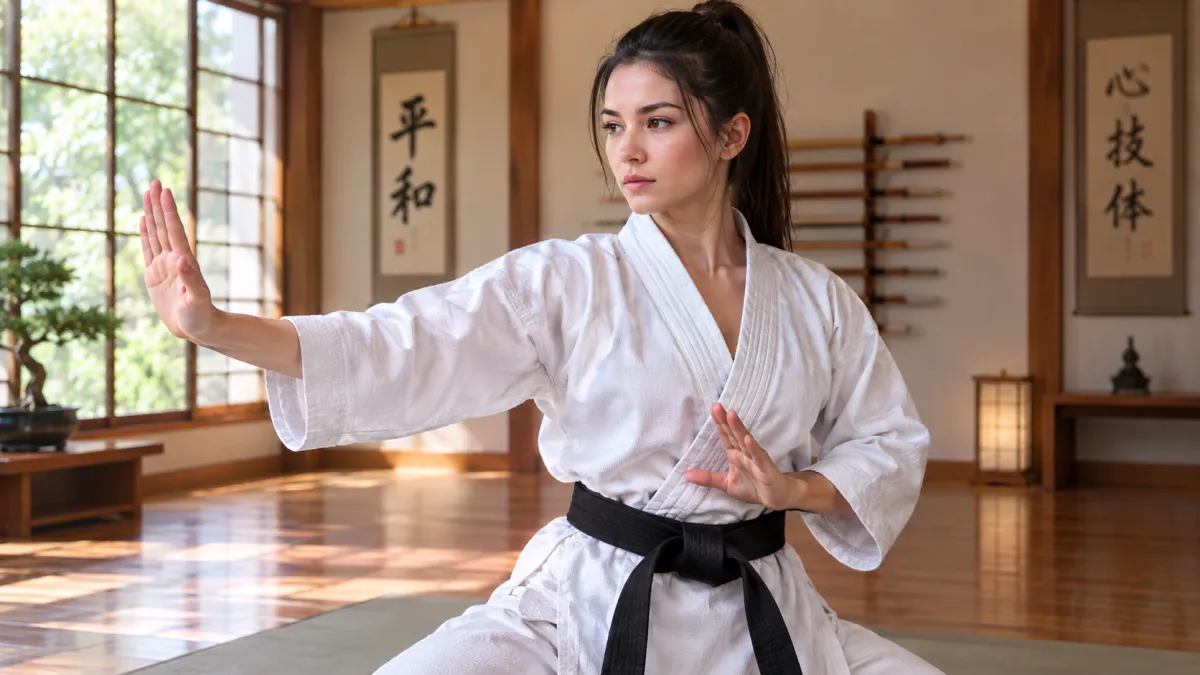
Can Martial Arts Help With Stress Relief?
Understanding Stress and Its Effects
Martial Arts Gets Your Body Moving
Training Requires Mental Focus
Martial Arts Can Provide a Healthy Outlet
Repetition Can Help You Disconnect From Daily Pressure
Breathing and Controlled Movement Matter
Martial Arts Can Build Confidence
A Structured Routine Can Be Helpful
Martial Arts Can Help Children Manage Everyday Pressure
Adults Can Use Martial Arts as an Active Break
Stress Relief Is Different for Everyone
Choosing the Right Martial Arts Environment
Making Martial Arts Part of Your Routine
Can martial arts reduce stress?
Is martial arts good for adults who have stressful jobs?
Can martial arts help children with stress?
Do you have to be physically fit before starting martial arts?
Stress has become a common part of everyday life. School, work, family responsibilities, social pressure, and busy schedules can leave people feeling mentally and physically exhausted. Finding a healthy way to manage stress is important, and regular physical activity can be one of the simplest ways to support overall well-being.
Martial arts is an activity that combines physical movement, mental focus, discipline, and structured training. While many people begin martial arts to learn self-defense or improve fitness, they may also discover that training gives them a healthy way to release tension and take a break from daily pressures.
So, can martial arts help with stress relief? For many people, regular training can be a useful part of a healthy stress-management routine.
Understanding Stress and Its Effects
Stress is the body's natural response to challenging or demanding situations. A certain amount of stress can be helpful because it can motivate us to complete tasks and respond to problems. However, ongoing stress can make it difficult to relax and enjoy everyday activities.
People experiencing high levels of stress may notice:
Muscle tension
Difficulty concentrating
Irritability
Low energy
Restlessness
Trouble relaxing
Poor sleep
Feeling mentally overwhelmed
Finding healthy outlets for stress can help people feel more balanced. Physical activity is one option that can be incorporated into a regular routine.
Martial Arts Gets Your Body Moving
One reason martial arts may support stress relief is simple: it gets you physically active.
A martial arts class can include warm-ups, stretching, footwork, technique practice, combinations, drills, conditioning, and other physical activities. Moving your body can provide a productive outlet after a stressful day.
Instead of sitting with frustration or tension, students have an opportunity to focus their energy on movement and practice.
Regular physical activity is also associated with improved mood and overall physical well-being, making exercise an important part of a balanced lifestyle.
Training Requires Mental Focus
Martial arts isn't only about physical movement. Students also need to pay attention to instructions, remember techniques, control their movements, and respond appropriately during training.
That concentration can provide a temporary break from everyday worries.
When you're practicing a technique, your attention is directed toward what you're doing in the moment. You may be thinking about your stance, breathing, balance, movement, or the next part of a combination instead of thinking about work, homework, or other daily concerns.
This ability to focus on the present moment can make training feel refreshing.
Martial Arts Can Provide a Healthy Outlet
Stress can sometimes build up when people don't have a productive way to release physical or emotional tension.
Martial arts provides a structured environment where students can move, practice, sweat, and challenge themselves.
Training doesn't mean taking frustration out on another person. Responsible martial arts instruction emphasizes control, technique, respect, and appropriate training practices.
Students learn to direct their energy into productive activities rather than aggressive behavior.
Repetition Can Help You Disconnect From Daily Pressure
Martial arts involves repetition. Students may practice the same movement several times before it becomes comfortable. They may repeat combinations, drills, footwork patterns, or techniques during different classes.
Although repetition can be challenging, it can also become calming.
When you're concentrating on performing a movement correctly, your mind has something specific to focus on. This can create a temporary mental break from the constant thoughts and distractions that often accompany a busy day.
Breathing and Controlled Movement Matter
Good martial arts training involves more than moving quickly. Students also learn the importance of controlled movement and proper breathing.
Learning to control breathing during physical activity can help students become more aware of how their bodies respond to effort.
When training becomes challenging, students have to stay composed, breathe properly, and continue working through the exercise.
These habits can encourage greater awareness of the connection between physical effort and mental control.
Martial Arts Can Build Confidence
Stress isn't always caused by being physically tired. Sometimes uncertainty and a lack of confidence can contribute to feelings of pressure.
Martial arts gives students opportunities to learn new skills and recognize their progress.
A beginner may initially struggle with a technique. After practicing consistently, that same technique may become easier. Over time, students can see their own improvement.
That sense of progress can contribute to confidence.
Instead of expecting immediate perfection, students learn that improvement comes through patience and consistent effort.
A Structured Routine Can Be Helpful
Having a regular activity can provide structure to a busy week.
When students attend martial arts classes on a consistent schedule, training becomes something they can look forward to. It creates dedicated time away from work, school, phones, and other responsibilities.
A regular training routine can also encourage people to make time for themselves.
For children and teenagers, this structure can be particularly useful because it gives them a constructive activity outside of school.
For adults, martial arts can provide an opportunity to step away from work and daily responsibilities for a while.
Martial Arts Can Be Social
Stress can sometimes feel worse when people become isolated.
Martial arts classes provide an opportunity to interact with instructors and fellow students. Students practice together, encourage one another, and work toward individual goals within a group environment.
Building positive connections can make training more enjoyable and can give students a sense of belonging.
For children, this social aspect can also provide an opportunity to develop communication and teamwork skills.
Martial Arts Teaches Patience
Progress in martial arts takes time.
Students don't master every technique after one class. They need to practice, make mistakes, receive feedback, and try again.
This process teaches patience and persistence.
Those lessons can be valuable when dealing with stressful situations outside the training environment. Instead of expecting everything to happen immediately, students can learn to approach challenges one step at a time.
Martial Arts Can Help Children Manage Everyday Pressure
Children experience stress too. School assignments, exams, friendships, social situations, and changes at home can sometimes feel overwhelming. A structured physical activity can give children a healthy way to stay active and focus their attention.
Martial arts classes can provide a combination of movement, routine, social interaction, and personal goals.
For parents, the goal shouldn't be to use martial arts as a replacement for professional support when a child is struggling with serious emotional difficulties. Instead, martial arts can be one healthy activity within a child's broader lifestyle and support system.
Adults Can Use Martial Arts as an Active Break
Adults often spend much of their day sitting at a desk, working, commuting, managing responsibilities, or looking at screens.
An evening martial arts class can provide a completely different type of experience.
Instead of spending another hour sitting and thinking about work, students can move, practice techniques, challenge themselves, and interact with others.
For some adults, this transition from work mode to training mode can become an enjoyable part of their weekly routine.
Stress Relief Is Different for Everyone
It's important to remember that everyone responds to activities differently.
Some people may find martial arts extremely relaxing. Others may prefer walking, swimming, yoga, running, dancing, or another form of exercise.
Martial arts can be physically demanding, so a new student should start at an appropriate level and gradually build their fitness and skills.
The goal isn't to train as hard as possible every time. A balanced program should allow students to challenge themselves while also learning proper technique and recovery.
Choosing the Right Martial Arts Environment
The training environment can make a significant difference.
If your goal is to use martial arts as part of a healthy stress-management routine, look for a school with supportive instructors and a positive atmosphere.
A good program should encourage students to improve without creating unnecessary pressure.
When visiting a martial arts school, consider how instructors communicate with students, whether classes are well organized, and whether students appear comfortable and engaged.
Finding an environment where you enjoy training can make it easier to stay consistent.
Making Martial Arts Part of Your Routine
You don't need to train every day to experience the benefits of physical activity.
Start with a realistic schedule that fits your lifestyle. Consistency is often more important than trying to do too much at once.
You might begin with a couple of martial arts classes each week and gradually increase your training as you become more comfortable.
Give yourself time to learn. Don't compare your progress with someone who has been training for years.
Every class can be an opportunity to learn something new, improve your technique, and spend time focusing on yourself.
Final Thoughts
Can martial arts help with stress relief? It can be a valuable part of a healthy lifestyle for many people.
The combination of physical activity, mental concentration, controlled breathing, structured training, social interaction, and personal progress can provide a productive way to step away from everyday pressures.
Martial arts isn't a cure for stress or a replacement for professional mental health care when someone needs additional support. However, regular training can complement other healthy habits such as adequate sleep, good nutrition, relaxation, time with loved ones, and appropriate professional support.
Whether you're a child, teenager, or adult, finding an activity you genuinely enjoy is an important step toward maintaining a healthier and more balanced lifestyle. For many people, stepping onto the martial arts mat can be a positive way to move, focus, learn, and leave some of the day's stress behind.
Frequently Asked Questions
Can martial arts reduce stress?
Martial arts can provide physical activity, mental focus, and a structured routine, all of which may support healthy stress management. Individual experiences can vary.
Is martial arts good for adults who have stressful jobs?
Yes. Martial arts can give adults an opportunity to step away from work, become physically active, and focus on something different. It can be a useful addition to a balanced lifestyle.
Can martial arts help children with stress?
A structured martial arts program can give children a healthy physical activity, routine, social interaction, and opportunities to develop confidence. However, significant or persistent emotional concerns should be discussed with an appropriate professional.
Do you have to be physically fit before starting martial arts?
No. Many martial arts programs offer beginner classes and can adapt training to different fitness levels. Beginners can gradually improve their strength, endurance, coordination, and technique.
How often should I practice martial arts for stress relief?
There is no single schedule that works for everyone. Starting with a realistic number of classes each week and maintaining consistency can be more useful than trying to train excessively.