
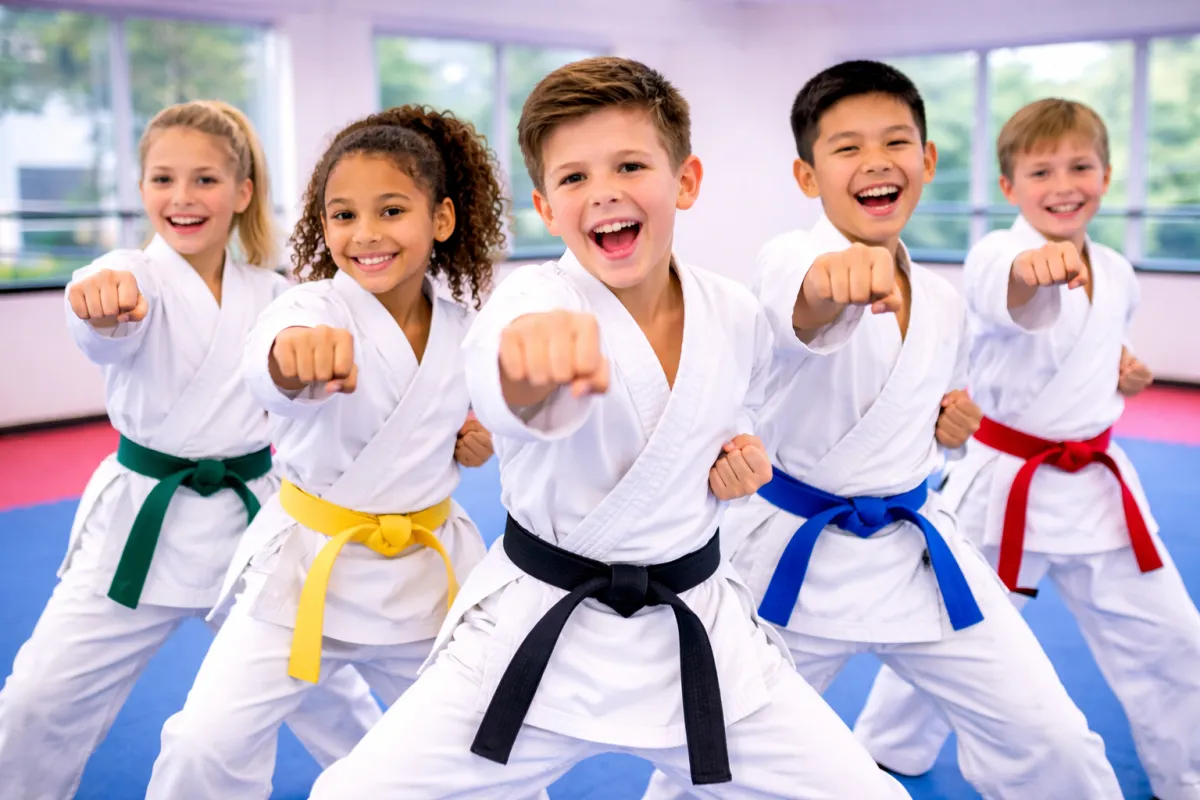
Karate for Kids: Building Focus & Respect From a Young Age
Karate Helps Kids Who Struggle With Concentration
5 Points That Karate Helps Kids Build Focus & Respect From A Young Age
How Does Karate Encourage Kids To Respect Parents And Teachers?
Life Skills Do Children Gain From Karate Classes
How Does Karate Shape Kids’ Behavior At School And Home?
Ques1. How Often Should Kids Practice Karate?
Ques2. Will Karate Help Shy Kids Become More Confident?
Ques3. Is Karate Safe For Kids?
Karate is more than just learning to kick and punch - it's a way to shape children's minds and character. For children, karate offers a fun and systematic way to develop focus, respect, and discipline from an early age.
With regular practice, children gain better concentration in school, respect from parents and teachers, and grow in confidence. This blog explains how Karate helps young learners develop life skills that stay with them long after the class is over.
Karate Helps Kids Who Struggle With Concentration
Yes, karate can be very helpful for children who have trouble concentrating. In karate classes, children follow clear instructions, repeat movements, and focus on every step. This kind of structured training teaches them to focus and avoid distractions.
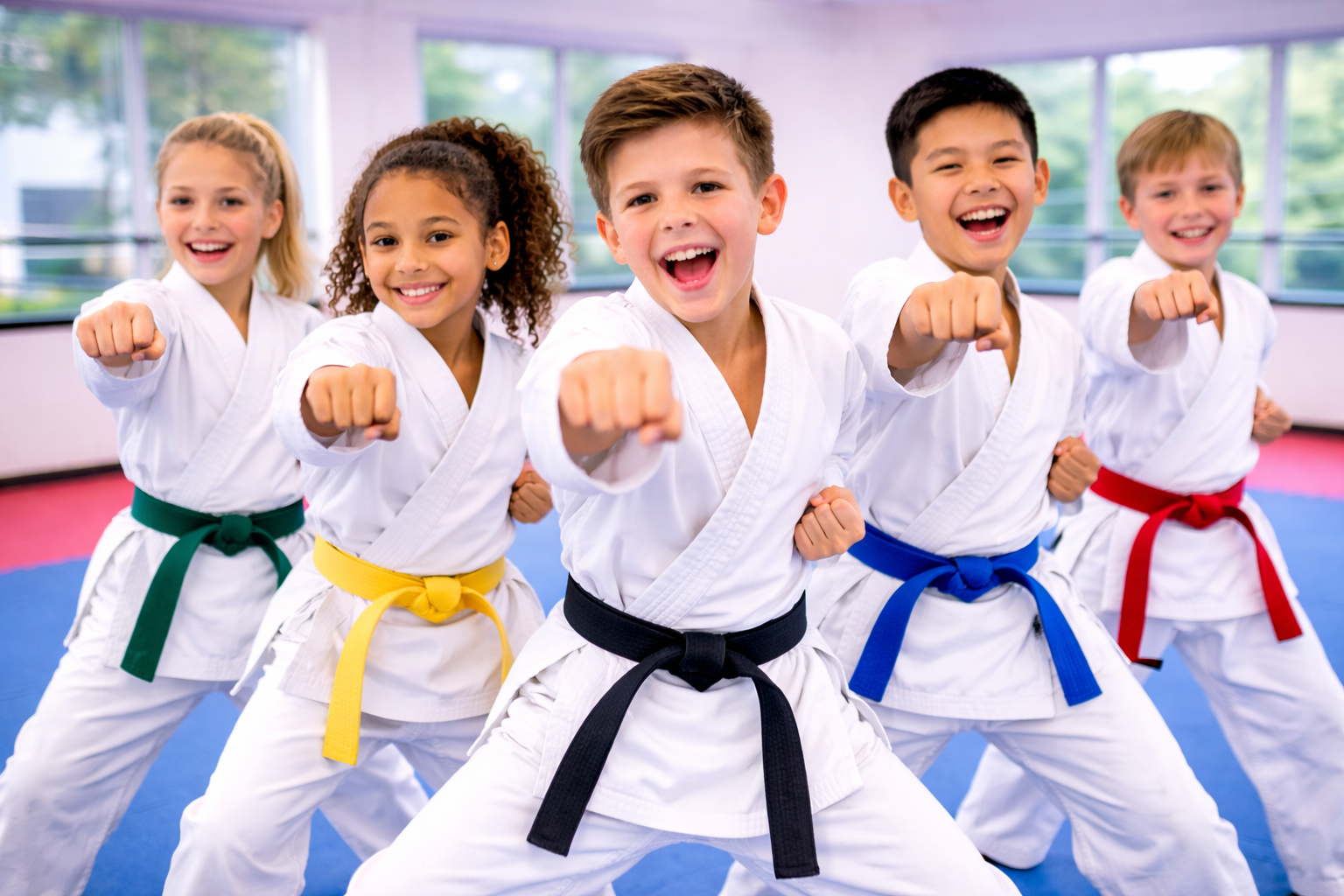
Practicing breathing, balance, and timing also helps calm their mind, making it easier to focus in class and in daily life. Over time, kids begin to apply the concentration they learn in karate to their schoolwork, household chores, and other activities
Karate turns concentration into a skill that gets stronger with practice, giving kids a positive way to improve focus and build confidence.
5 Points That Karate Helps Kids Build Focus & Respect From A Young Age
I will explain here 5 crucial points that will help you to understand how karate helps kids build focus and respect from a young age.
Clear Rules & Discipline
Karate teaches children the importance of listening carefully and following instructions step by step. In every class, children learn that progress is only made if they pay attention and respect the rules of training.
From bowing before practice to waiting for their turn, they begin to understand discipline naturally. These habits not only help them perform better in karate but also carry over into school and home, where they become more respectful and responsible.
Respect for Teachers & Peers
In karate, children are taught to bow to their teachers and classmates as a sign of respect. They also practice listening attentively and showing courtesy in every lesson. These small actions may seem simple, but they have great meaning.
Over time, children learn that treating others with respect is just as important as learning new moves. This habit stays with them outside the dojo, helping them to value their parents, teachers, and friends in everyday life.
Improved Concentration
Karate classes are based on phased practice, which helps children focus on one task at a time. Instead of rushing, they learn to move slowly, pay attention, and complete each activity with care. This constant practice improves their ability to concentrate, even when it is challenging.
As children get used to focusing in class, they begin to use these same skills for schoolwork and at home. Karate gradually trains their minds to stay in the present and pay full attention to what they are doing.
Patience & Self-Control
Karate teaches kids that strength is not just about quick reactions, but about staying calm and in control. During practice, they learn to stop, breathe, and think before they act. This develops patience and helps them avoid acting out of anger or frustration.
Over time, children come to understand that self-control is a powerful skill, in the dojo and in everyday life, making them more considerate, respectful, and balanced in their behavior.
Confidence with Humility
As kids improve their karate skills, they naturally begin to feel more confident. Every new move they learn, or belt they win, gives them a sense of accomplishment and pride. Plus, karate reminds them that confidence must come with respect.
They learn that no matter how skilled they become, they must treat teachers, classmates, and even opponents with kindness and fairness.
This balance of confidence and humility helps children develop into respectful and well-rounded personalities both inside and outside the dojo.
How Does Karate Encourage Kids To Respect Parents And Teachers?
Karate emphasizes respect, which naturally applies to the way children treat their parents and teachers. In class, children bow to their instructors, listen carefully, and follow instructions. These habits teach them that showing respect is the first step to learning and progressing.
Over time, this thinking becomes part of their daily behavior. Children begin to understand that just as they respect their karate teacher, they should respect their parents at home and teachers at school equally.
Karate also teaches gratitude, reminding kids to appreciate those who guide and support them. Inside and outside the dojo, this practice of respect helps kids build strong relationships with family, teachers, and those around them.
Life Skills Do Children Gain From Karate Classes
Look here, 5 life skills that kids learn from karate -
Learning to Stay Disciplined and Responsible
Karate teaches children that hard work and regular practice bring good results. When they come to class, practice their moves, and follow the rules, they begin to understand responsibility. These habits not only help them in training, but also make them more responsible in school and everyday life.
Showing Respect And Kindness to Others
In karate, kids learn to show respect in many ways, from bowing to their instructors to helping classmates during practice. These actions teach them that everyone deserves kindness and respect. Over time, this habit of respect carries beyond the dojo and helps kids treat their parents, teachers, and friends with care, patience, and understanding in everyday life.
Building Focus And A Clear Mind
In karate, kids practice step-by-step exercises that help them focus and ignore distractions. By focusing on each activity, they learn to pay attention for long periods of time. This improved focus isn’t just limited to the dojo; it also helps them perform better in school, complete homework more easily, listen carefully in class, and solve problems with a clear mind. Over time, their ability to concentrate becomes stronger in everyday life.
Growing Confidence While Staying Humble
Every time kids win a new belt or learn a new skill in karate, they feel proud of themselves. Also, karate teaches them to be humble and kind. They understand that true confidence is not just about being good at something, but also about respecting others and treating them fairly.
Developing Patience and Self-Control
Karate teaches kids to slow down, take a deep breath, and think carefully before they act. By practicing this in class, they learn to control their emotions and stay calm even in difficult situations.
This helps them manage frustration, handle anger constructively, and make better decisions. Over time, children carry this self-control into everyday life, helping them deal with challenges at school, at home, and with friends more calmly and intelligently.
How Does Karate Shape Kids’ Behavior At School And Home?
Karate has a positive effect on children's behavior both at school and at home. In class, children learn to follow rules, listen carefully, and respect their teachers and classmates. These habits help them develop patience, self-control, and discipline.
With regular practice, children begin to use these skills outside the dojo. They pay more attention in class, complete homework on time, and treat teachers, parents, and siblings with respect.
Karate also teaches children to control frustration and think before reacting, which reduces arguments and impulsive behavior. Overall, Karate helps children become responsible, respectful, and well-behaved individuals in every aspect of life.
Conclusion
Karate is more than just a physical activity; it is a valuable tool for teaching children important life lessons. With consistent practice, children develop concentration, respect, patience, and self-control, which benefits them at home, at school, and in everyday interactions.
Each class helps children develop not only skills but also character, giving them confidence and fostering humility.
By learning to follow rules, respect others, and stay calm under pressure, kids apply these lessons to every aspect of their lives. Karate makes kids well-rounded, disciplined, and confident individuals who are ready to face challenges with dignity and concentration.
FAQ
Ques1. How Often Should Kids Practice Karate?
Ans - For best results, children should attend classes 2-3 times a week. Regular practice helps them improve skills, focus, and develop strong habits of discipline.
Ques2. Will Karate Help Shy Kids Become More Confident?
Ans - Absolutely. As children learn new skills and earn belts, their confidence grows. They also learn to behave respectfully with instructors and peers, which increases their social confidence.
Ques3. Is Karate Safe For Kids?
Ans - Yes. Karate classes are conducted under the supervision of trained instructors, and safety is given priority. Children learn techniques gradually and practice in a controlled environment to avoid injuries.
Ques4. Can Young Children Learn Karate Easily?
Ans - Yes! Karate is designed for children of all ages. With fun and age-appropriate lessons, even young children can learn the basic moves as well as develop focus, discipline, and respect.
Ques5. How Does Karate Improve Listening Skills?
Ans - Karate requires children to follow instructions carefully and pay attention to every step. This strengthens listening skills, which are helpful in school and everyday life.