
What To Expect In Your First Two Weeks Of Martial Arts Classes?
Is Martial Arts Safe For Beginners And Kids?
What Should A Beginner Know Before Starting Martial Arts?
What Happens In The First Class?
Meeting Your Instructor And Classmates
Learning Basic Stances and Movements
Progress You’ll See In The First Two Weeks
Physical Fitness Changes (Strength, Flexibility, Energy)
Mental Benefits (Focus, Confidence, Discipline)
Building New Habits And Routine
Biggest Mistakes Beginners Make In Their First Martial Arts Classes
Ques1. Do I Need To Be In Shape Before Joining Martial Arts?
Ques2. How Many Classes Per Week Should Beginners Take?
Ques3. How Long Does It Take To See Results From Martial Arts Training?
Ques 4. Do Martial Arts Classes Help With Weight Loss And Fitness?
Ques 5. What Is The Difference Between Martial Arts Trial Classes And Regular Classes?
Learning a martial art is an exciting new step! In your first two weeks, you'll learn the basics of martial arts like simple stances, easy moves, and perhaps some initial strikes or blocks.
Don't worry about getting everything perfect; these beginner classes are about getting comfortable and building a strong foundation. You'll also experience the values of discipline and respect that martial arts teach, as well as meet new people.
Most importantly, enjoy the process and have fun learning something new!
Is Martial Arts Safe For Beginners And Kids?
Yes, martial arts are safe for both beginners and children, provided they are taught correctly. Classes are designed according to the age and skill level of each student, so that no one is overly stressed at first. Instructors focus on teaching proper form, respect, and safety rules before moving on to advanced techniques.
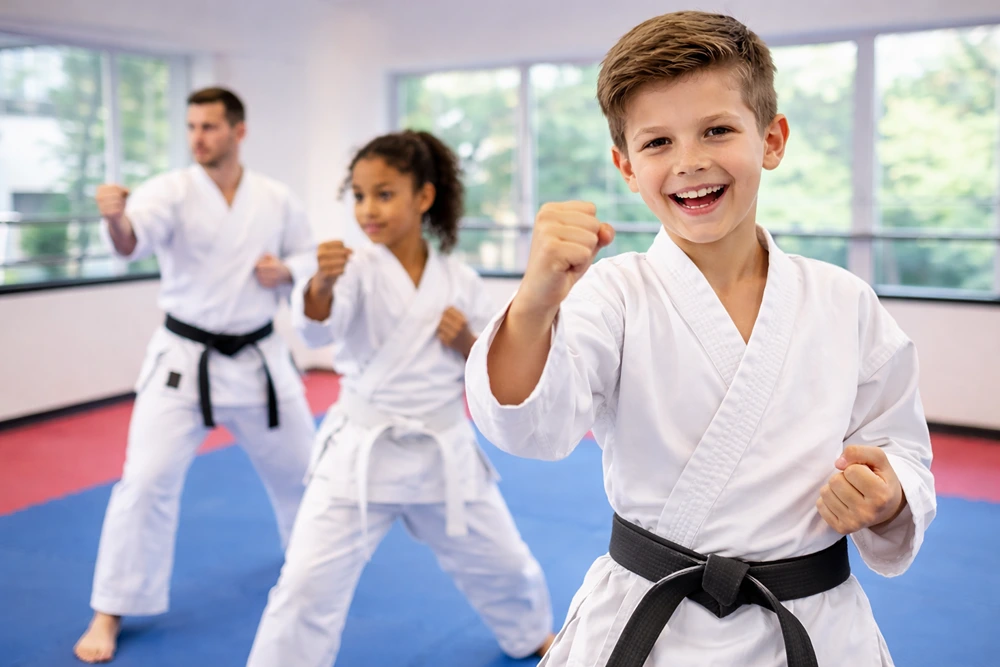
Children learn in a well-organized and supportive environment where fun and discipline go hand in hand. Protective equipment and careful supervision make training even safer. With the right school, martial arts are not only safe but also extremely rewarding.
What Should A Beginner Know Before Starting Martial Arts?
If you're new to martial arts, first know that you don't need to be super fit or have any experience to get started. Martial arts schools are designed to welcome beginners and teach them step-by-step. In your beginner classes, you'll learn simple postures, basic movements, and how to follow instructions safely.
It's important to come with an open mind, a positive attitude, and patience, as progress takes time.
Listening to your instructor and respecting classmates will help you feel more confident and comfortable. Wearing the right clothing, staying hydrated, and practicing good manners in class will also make your training smoother.
Most importantly, don’t be afraid to make mistakes—they’re part of learning. With consistency and effort, you’ll build strength, focus, and confidence while enjoying the journey of martial arts.
What Happens In The First Class?
At your first martial arts class, you will meet your instructor and classmates, warm up with simple stretches, and learn basic postures or movements. The focus is on understanding the rules of the class and getting comfortable.
It is a friendly and supportive environment where you take small steps and enjoy the learning process.
Warm-Ups And Stretching
Warming up and stretching are an important part of every martial arts class, especially for beginners. They help prepare your body, loosen your muscles, and reduce the risk of injury. In the beginning, you will do light exercises such as jogging in place, jumping jacks, or push-ups, followed by light stretches for your arms, legs, and back.
This routine also helps improve flexibility and concentration, so you'll be ready to learn new moves. Warming up isn't just about the exercise—it also creates an atmosphere of discipline and concentration in the class.
Meeting Your Instructor And Classmates
Meeting your instructor and classmates is one of the most welcoming aspects of your first martial arts class. Your instructor will introduce themselves, explain the class's procedures, and give you step-by-step guidance. You'll also meet other students who may be beginners just like you.
Everyone is encouraged to respect and support each other, creating a positive and friendly atmosphere. This introduction makes it easier to feel comfortable, ask questions, and build confidence. Very soon, you will feel part of a team working toward the same goal.
Learning Basic Stances and Movements
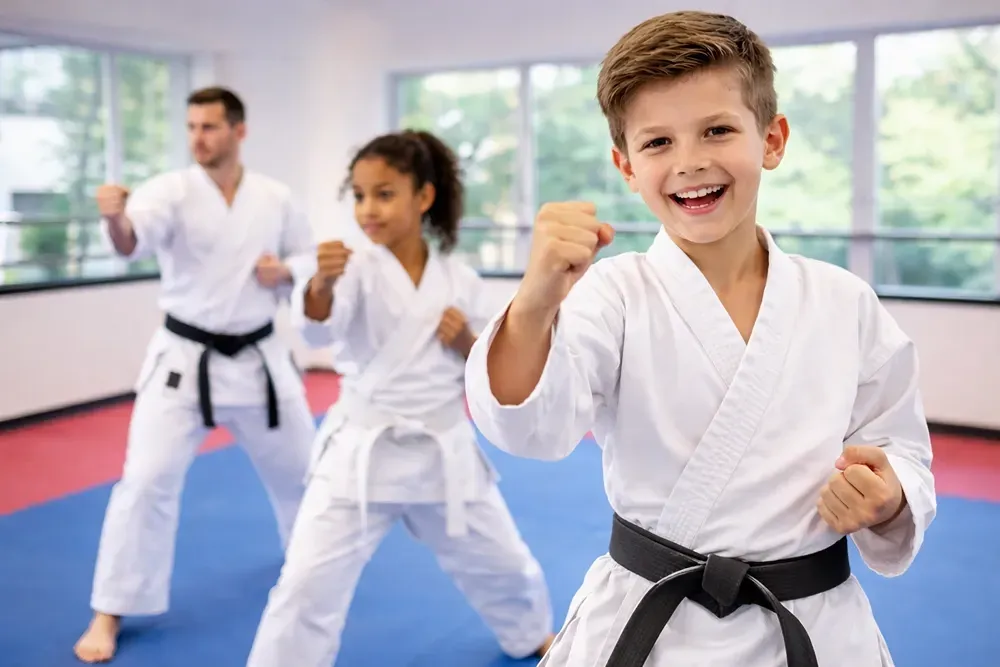
In your first martial arts classes, you will learn basic stances and simple movements. Stances are positions in which you stand, which give you balance and strength. You can practice standing with your knees slightly bent, feet apart, and hands ready to block or strike.
These movements include small steps, basic punches, or simple blocks. They are the building blocks for everything you will learn next. The goal is not to achieve perfection, but to become comfortable with the basics. With practice, these postures and movements will become natural and strong.
Progress You’ll See In The First Two Weeks
Look at some points of what progress and what you can expect in the first two weeks:
Physical Fitness Changes (Strength, Flexibility, Energy)
In just two weeks, you can notice small but positive changes in your body. Martial arts warm-ups and exercises help strengthen your arms, legs, and core. Stretching increases flexibility, which makes movements feel easier.
Even though you may feel a little sore at first, as your body gets used to the training, your energy levels will increase. You will find yourself moving better, standing straighter, and feeling more energized throughout the day.
Mental Benefits (Focus, Confidence, Discipline)
Martial arts isn't just for the body—it trains the mind, too. During your first two weeks, you'll begin to practice concentration by paying attention to every movement and instruction. This improves concentration in the classroom and outside of it, such as at school or work.
As you learn new skills, your confidence will grow. You will also experience discipline by following class rules, respecting your instructor, and motivating yourself to do your best. These mental benefits are just as valuable as the physical benefits.
Building New Habits And Routine
Starting a martial art helps you form healthy habits. Attending classes regularly brings consistency and teaches the importance of commitment. You will get used to making time for practice, arriving on time, and staying active.
Over time, these routines bleed into other areas of life, such as better time management and responsibility. In just two weeks, you'll feel the positive effects of a structured routine that helps you stay motivated and stick to your goals.
Biggest Mistakes Beginners Make In Their First Martial Arts Classes
Here are some points that you should know so that you will not make a mistake in your first martial arts class.
Trying To Be Perfect Right Away
Many beginners think they have to perfect every move from the first class. This can make them stressed or frustrated. The truth is that martial arts is all about learning step by step and getting better over time. Mistakes are natural and part of the journey, so focus on progress, not perfection.
Skipping Warm-Ups And Stretching
Skipping warm-ups or not taking them seriously is a common mistake for beginners. Warm-ups prepare your body, loosen up your muscles, and help prevent injuries. Without them, you may feel stiff, tired, or even get hurt during practice.
They also improve flexibility and concentration, making it easier to learn. Taking warm-ups seriously gives you a safe and strong start in martial arts.
Not Listening Carefully To The Instructor
In martial arts, it is very important to pay attention to the smallest details. Beginners sometimes forget these details because they are in a hurry or do not listen carefully to instructions.
This can make it difficult to learn the movements and slow down progress. By focusing and asking questions when needed, you will improve faster and build a strong foundation for future skills.
Comparing Yourself To Others
In martial arts, every student learns at his or her own pace. Some people learn quickly, while others take longer, and this is perfectly normal. When beginners compare themselves to others, they often get discouraged or lose confidence.
Instead of competing with classmates, it is better to focus on your own progress and small improvements. Progress is individual, and with patience, you will achieve your goals step by step.
Inconsistent Practice
Consistency is key in martial arts. When beginners skip classes or don't practice at home, it slows their progress and makes it difficult to form good habits. Regular training helps your body remember the movements and strengthens your skills over time.
Even short practice sessions at home can make a big difference, helping you improve faster and stay motivated.
Conclusion
Martial arts are more than just learning to kick and punch it's about personal growth, discipline, and building confidence step by step. In your first two weeks, you'll see how small efforts lead to real progress, both physically and mentally.
This journey is not about being perfect, but about being present, practicing regularly, and being willing to learn. Each class brings new lessons, new challenges, and new accomplishments.
By the end of your first week, you will already feel stronger, more focused, and ready to continue your path in the martial arts with enthusiasm and determination.
FAQ
Ques1. Do I Need To Be In Shape Before Joining Martial Arts?
Ans - No, you don’t need to be fit. Martial arts help you build fitness step by step.
Ques2. How Many Classes Per Week Should Beginners Take?
Ans - 2-3 classes per week are ideal for making steady progress and building habits.
Ques3. How Long Does It Take To See Results From Martial Arts Training?
Ans - Most people see improvement within 4-6 weeks with regular practice.
Ques4. Do Martial Arts Classes Help With Weight Loss And Fitness?
Ans - Yes, martial arts burn calories, increase strength, and improve overall fitness.
Ques 5. What Is The Difference Between Martial Arts Trial Classes And Regular Classes?
Ans - Trial classes explain the basics and allow you to explore, while regular classes follow a full training routine.