
6 Top Self-Defense Techniques Every Martial Artist Should Know
6 Top Self-Defense Techniques Every Martial Artist Should Know
Number One Mistake People Make In Self-Defense Situations
How Can You Practice Self-Defense Techniques without a Training Partner?
Ques1. Which Self-Defense Techniques Are Most Useful In Real-Life Situations?
Ques2. Do Self-Defense Techniques Work Without Physical Strength?
Ques3. How Long Does It Take To Learn Basic Self-Defense Skills?
Ques 4. Can Kids Learn The Same Self-Defense Techniques As Adults?
Ques 5. Are Self-Defense Techniques Effective In Unexpected Situations?
In a real-life confrontation, the top self-defense techniques every martial artist should know can mean the difference between safety and danger. Self-defense isn't just about strength, it's about strategy, awareness, and quick reflexes.
Whether you're an experienced martial artist or a beginner, mastering key techniques like blocking, counterattacking, and escaping can help you stay safe in unexpected situations.
In this informative platform, we'll break down the most effective self-defense moves every martial artist should know to enhance their skills and boost their confidence in real-world encounters.
6 Top Self-Defense Techniques Every Martial Artist Should Know
Here are six essential techniques from the top self-defense techniques every martial artist should know:-
Palm Strike
The palm strike is a simple yet powerful move in street-fighting survival tactics. Instead of using your fist, you strike with the bottom of your palm, aiming for the attacker's chin or nose. This strike can cause pain, disorientation, and even push them back, giving you time to escape.
Unlike punching, palm strikes reduce the risk of injuring your own hand. This is an easy-to-learn self-defense move that works well in real-life situations, especially when reacting quickly to an attack.
Elbow Strike
The elbow strike is a powerful counterattack to surprise attacks, perfect for self-defense at close range. Instead of using your fists, you ram your elbow into the attacker's jaw, ribs, or temple. This move can cause severe pain, knock them off balance or even end the fight quickly.
Since the elbow is a strong and solid part of the body, it takes a strong impact with minimal risk of injuring yourself. Learning this technique helps you react quickly to dangerous situations and defend yourself effectively in tight spaces.
Groin Kick
The groin kick is one of the simplest and most effective self-defense moves. By hitting an attacker in the groin using your foot or knee, you can cause intense pain and temporarily incapacitate them.
This move works well because the groin is a very sensitive area, making it difficult for the attacker to continue their attack. It doesn't require a lot of strength, just good aim and speed. A well-placed groin kick gives you a chance to escape safely and avoid further danger in a real-life situation.
Wrist Escape
If someone grabs your wrist, you can easily escape using a simple technique. Instead of forcefully pulling away, rotate your wrist toward the attacker's thumb, which is the weakest part of their grip. This makes it much easier to break free without using too much strength.
The main thing is to act quickly and confidently. This trick works well in real-life situations, especially if someone tries to grab you unexpectedly. Practicing this technique can help you stay calm and safely escape danger.
Knee Strike
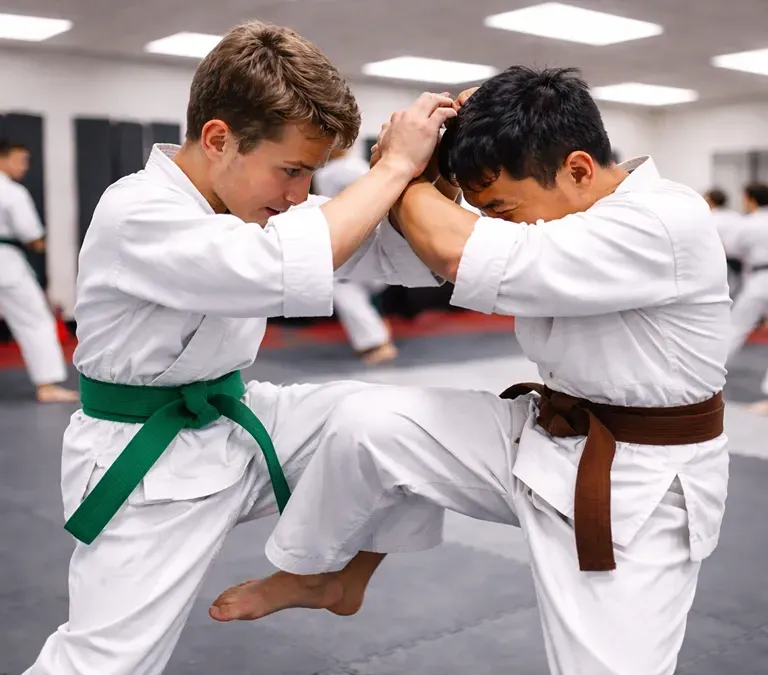
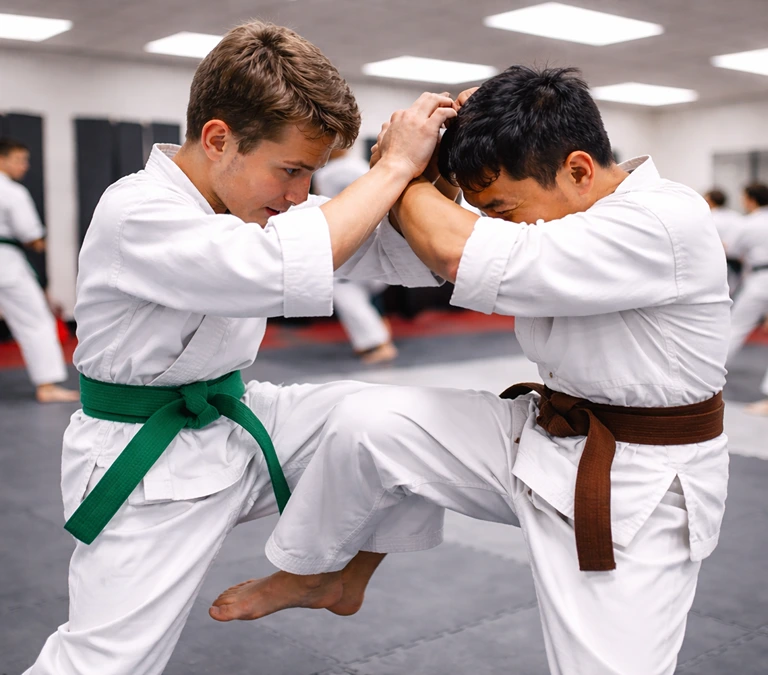
A knee strike is a powerful move in close combat that can help you quickly weaken an attacker. To do this, you lift your knee and drive it forcefully into their stomach or face. This move works well because the knee is strong and can cause a lot of pain, making it hard for the attacker to continue.
It’s especially useful when someone is too close for punches or kicks. A well-placed knee strike can give you the chance to escape and stay safe in a dangerous situation.
Foot Stomp
The foot stomp is a simple but effective self-defense move that can help you escape an attack. If someone is too close to you or is holding you down, lift your foot and press down hard on their foot, especially on the toes or arch.
This can cause sharp pain, knock them off balance, and give you a chance to break free. It works well because most people don't expect it, and you don't need a lot of strength to make it effective. A quick foot stomp can provide an opportunity to escape to safety.
Number One Mistake People Make In Self-Defense Situations
The biggest mistake people make in self-defense situations is to freeze or hesitate instead of reacting quickly. When faced with danger, many people panic, overthink, or doubt their ability to fight. This hesitation gives the attacker more control and reduces your chances of escaping safely.
Another common mistake is relying only on strength instead of using smart techniques. Self-defense doesn't mean overpowering someone, it means using quick, effective moves like avoiding wrist grabs, targeting weak points, or creating distance.
People also forget about situational awareness, which means they don't pay attention to their surroundings or warning signs of danger. Being alert can help you avoid risky situations before they happen.
The key to self-defense is to stay calm, act quickly, and use simple, effective techniques. Confidence and quick thinking can make a huge difference in staying safe.
How Can You Practice Self-Defense Techniques without a Training Partner?
You can also practice self-defense techniques without a training partner by focusing on shadow training, bag work, and visualization.
Shadow Training
Stand in front of a mirror and practice your strikes, blocks and movements. Watching yourself improves form, speed, and coordination. Repeating these moves strengthens muscle memory, making your reactions faster in real situations. This solo training builds confidence and ensures proper technique, even without a partner.
Bag Work
Use a punching bag or a cushion to practice punches, kicks, and elbow strikes with proper force. This helps develop power, accuracy, and control. Repeating these moves improves muscle memory and builds strength, making your strikes more effective in real self-defense situations, even without a training partner.
Visualization
Visualize different attack scenarios and mentally practice your responses step by step. Visualizing threats and practicing your responses helps improve reflexes, awareness, and decision-making.
This mental training prepares you to stay calm and react quickly in real self-defense situations, even without physical training or a training partner.
Footwork Drills
Practice moving quickly, dodging, and staying balanced to improve your mobility. Good footwork helps you avoid attacks, create distance, and stay in control during self-defense situations.
Regularly training your movements makes you faster, more stable, and better prepared to react in real-life encounters.
Conclusion
Mastering the top self-defense techniques every martial artist should know is essential to staying safe in real-world situations. Techniques like palm strikes, elbow strikes, and knee strikes can help you defend yourself effectively.
Practicing alone, improving footwork, and imagining scenarios can also enhance your skills without a partner. The main thing is to stay alert, react quickly, and use smart, efficient moves.
With consistent training, you can build confidence and be prepared to deal with unexpected threats with ease.
FAQ
Ques1. Which Self-Defense Techniques Are Most Useful In Real-Life Situations?
Ans - The most useful techniques focus on awareness, balance, escapes, and controlled strikes that help you protect yourself and create space to get safe.
Ques2. Do Self-Defense Techniques Work Without Physical Strength?
Ans - Yes, many self-defense techniques rely on timing, leverage, and body positioning rather than strength, making them effective for all body types.
Ques3. How Long Does It Take To Learn Basic Self-Defense Skills?
Ans - With regular training, most students can learn practical self-defense basics within a few months, depending on consistency and practice.
Ques 4. Can Kids Learn The Same Self-Defense Techniques As Adults?
Ans - Kids learn age-appropriate versions of self-defense techniques that focus on awareness, escapes, and safety rather than force.
Ques 5. Are Self-Defense Techniques Effective In Unexpected Situations?
Ans - Yes, proper training prepares martial artists to stay calm, react quickly, and use learned techniques effectively even under sudden pressure.