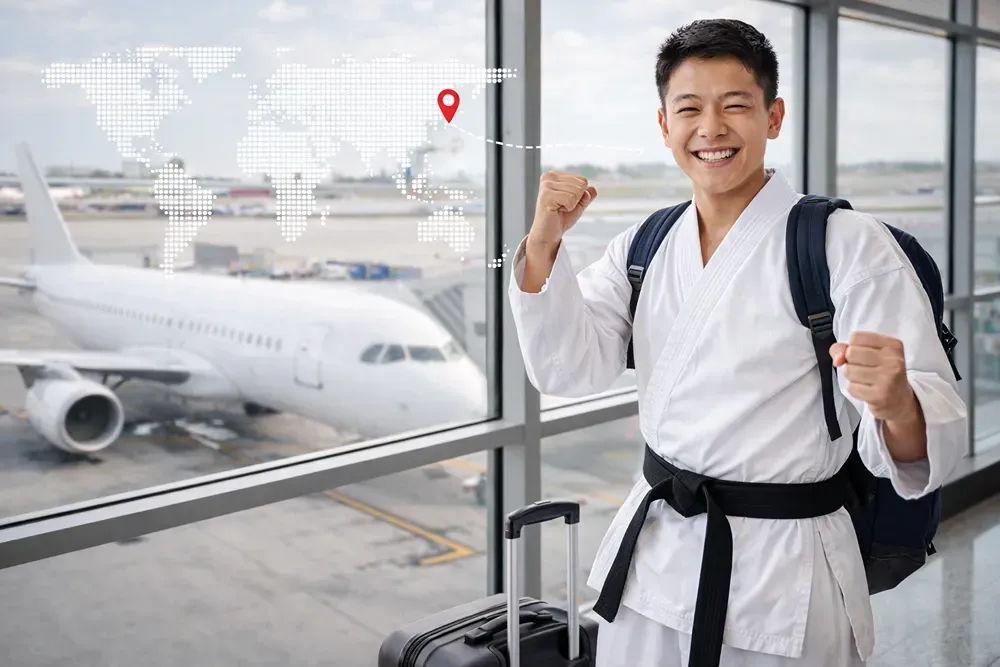
Martial Arts for Travelers: How Training Can Keep You Safe Abroad?
How Martial Arts Training Can Keep You Safe Abroad?
6 Best Martial Arts For Self-Defense While Traveling
Krav Maga – Best for Real-World Self-Defense
Brazilian Jiu-Jitsu (BJJ) – Best for Ground Defense
Muay Thai – Best for Striking Power
Boxing – Best for Quick Striking
Judo – Best for Throws and Control
Eskrima (Kali/Arnis) – Best for Weapon Defense
Is It Legal To Use Martial Arts In Self-Defense Abroad?
Can You Learn Effective Self-Defense In A Short Time Before A Trip?
Most Common Travel Scams, And How Martial Arts Training Helps Avoid Them?
Ques1. Can Martial Arts Really Help Travelers Stay Safe In Unfamiliar Countries?
Ques2. Do I Need Advanced Martial Arts Skills To Benefit While Traveling?
Ques3. How Does Martial Arts Help In Avoiding Risky Situations While Traveling?
Ques4. Can Martial Arts Help Travelers Stay Calm During Stressful Moments?
Ques5. Is Martial Arts Useful Even If I Never Have To Physically Defend Myself?
Travelling opens the door to new adventures, but it also comes with unexpected risks. Whether you're travelling to busy cities or remote areas, knowing how to keep yourself safe is vital. Martial arts aren't just about fighting - they're about awareness, confidence, and making informed decisions in unfamiliar situations.
From avoiding confrontations to surviving dangerous encounters, self-defense training can be a game-changer.
In this guide, we will know how martial arts can keep you safe abroad and which techniques are most effective for travellers.
Be prepared, be confident!
How Martial Arts Training Can Keep You Safe Abroad?
Martial arts training equips travellers with essential self-defense skills, heightened awareness, and increased confidence, making it an excellent tool for staying safe abroad. By learning techniques from disciplines such as Krav Maga, Brazilian Jiu-Jitsu, or Muay Thai, travellers can defend themselves against potential threats, such as pickpockets, robbers, or aggressive individuals.
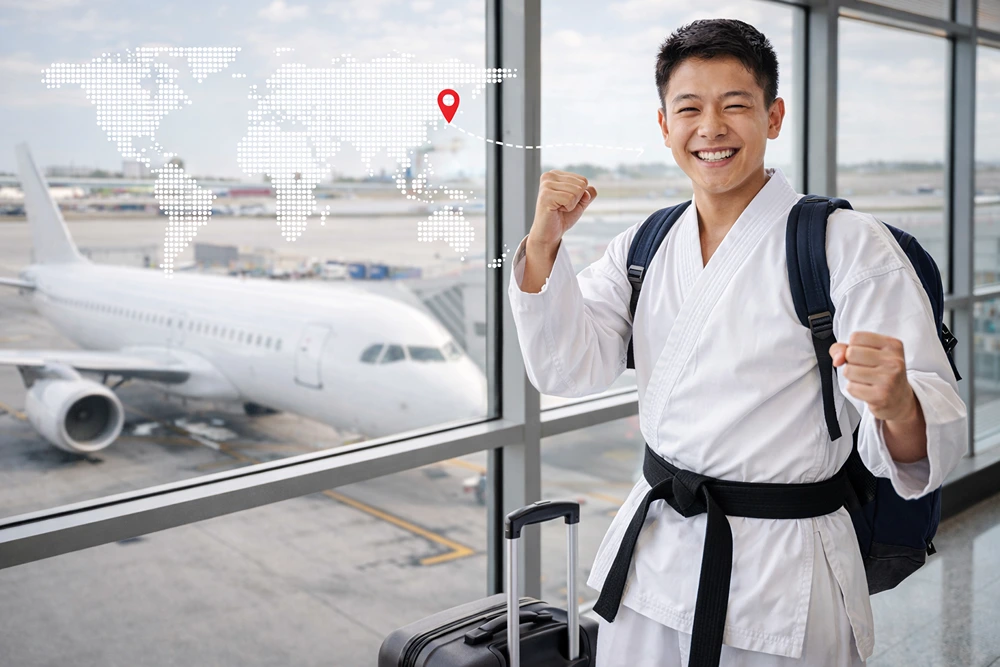
Beyond physical techniques, martial arts also enhance situational awareness, helping travelers recognize and avoid dangerous situations.
Additionally, the discipline and mental flexibility developed through training can prevent panic in high-stress encounters, allowing for quick and effective decision-making.
Many martial arts emphasize de-escalation tactics, ensuring that conflicts can be resolved without physical confrontation whenever possible. In addition, training improves strength, agility, and stamina, making travelers less vulnerable targets.
Whether navigating crowded streets or unfamiliar environments, martial arts provide practical skills that empower travelers to stay safe and confident wherever they go.
6 Best Martial Arts For Self-Defense While Traveling
When traveling, staying safe is a priority, and learning martial arts can give you an edge in self-defense.
Here are the 6 best martial arts for travelers:
Krav Maga – Best for Real-World Self-Defense
Krav Maga, developed by the Israeli military, is a highly effective self-defense system designed for real-world situations. It emphasizes quick, smooth movements to defend against both armed and unarmed attackers.
Unlike traditional martial arts, Krav Maga focuses on neutralizing threats as efficiently as possible using strikes, grappling, and disarming techniques.
Its practical approach makes it ideal for travelers facing unpredictable dangers, equipping them with the skills to react swiftly and escape potentially harmful situations with confidence.
Brazilian Jiu-Jitsu (BJJ) – Best for Ground Defense
Brazilian Jiu-Jitsu (BJJ) is a great martial art for self-defense, especially for those who are ready to travel, as it focuses on controlling and neutralizing an attacker without relying on size or brute strength. It emphasizes leverage, technique, and positional control, making it highly effective against larger opponents.
BJJ teaches practical skills such as escaping holds, countering takedowns, and applying joint locks or chokeholds to subdue an attacker.
Since many real-life confrontations end in close contact or on the ground, BJJ provides valuable techniques for defending yourself and gaining control in dangerous situations.
Muay Thai – Best for Striking Power
Muay Thai, known as the "art of eight limbs", is a powerful striking martial art that utilizes punches, kicks, elbows and knees for maximum effectiveness. It is highly practical for self-defense, allowing travelers to defend themselves against aggressive attackers with strong, well-timed strikes.
Muay Thai also improves reflexes, endurance, and mental toughness, helping practitioners stay composed under pressure. Its combination of offensive and defensive techniques makes it an excellent choice for maintaining control in real-world confrontations.
Boxing – Best for Quick Striking
Boxing is an excellent martial art for self-defense, focusing on fast reflexes, precise footwork, and powerful punches. It trains travelers to react quickly, avoid attacks, and attack skillfully, making it highly effective in real-world situations.
Boxing also improves agility and endurance, allowing a person to maintain control and mobility even in tight or crowded spaces.
Its emphasis on head movement, defensive blocking, and counter-attacks makes it a valuable skill for travelers needing quick and effective self-defense.
Judo – Best for Throws and Control
Judo is an extremely effective martial art that emphasizes using the opponent's strength and speed against them. Through powerful throws, joint locks, and grappling techniques, Judo allows fighters to neutralize threats without relying on brute force.
Its focus on balance, leverage and control makes it ideal for efficiently subduing attackers while causing minimal damage.
Since many real-life confrontations involve grappling or close contact, Judo's ability to take down and control opponents without excessive force makes it a valuable self-defense skill.
Eskrima (Kali/Arnis) – Best for Weapon Defense
Eskrima, also known as Kali or Arnis, is a Filipino martial art that specializes in weapon-based fighting, particularly with sticks and knives. It also incorporates empty-hand techniques, making it highly practical for real-world self-defense.
Travelers can benefit from its quick, efficient movements that focus on disarming and countering attacks. Eskrima enhances reflexes, coordination, and situational awareness, providing valuable skills for defending against armed and unarmed threats. Its adaptability makes it a powerful martial art for personal protection while traveling.
Is It Legal To Use Martial Arts In Self-Defense Abroad?
The legality of using martial arts for self-defense abroad depends on the country's laws. Self-defense is allowed in many places, but only if it is necessary and reasonable to protect yourself from harm.
Using excessive force can lead to legal trouble, even if you are defending yourself. Some countries have strict rules about fighting in public, and using martial arts can be considered assault.
It is important to understand local laws before traveling. If possible, avoid dangerous situations and use self-defense only as a last resort. Learning martial arts as well as de-escalation techniques can help you stay safe without physical confrontation. When in doubt, check your destination's self-defense laws to stay within legal boundaries.
Can You Learn Effective Self-Defense In A Short Time Before A Trip?
Yes, you can learn effective self-defense in a short time before traveling, but it depends on your focus and practice. While martial arts take years to master, basic self-defense techniques can be learned in a matter of weeks.
Training in Krav Maga, boxing, or Brazilian Jiu-Jitsu can teach you quick and practical steps like escaping holds, blocking attacks, and disarming an attacker.
Taking an intensive self-defense class or watching online tutorials can help you learn the skills you need. More importantly, improving situational awareness — learning how to recognize and avoid danger — can be just as valuable as physical training.
Although short-term training won't make you an expert, it can boost your confidence and help you respond effectively in an emergency.
Most Common Travel Scams, And How Martial Arts Training Helps Avoid Them?
Travelers often face fraud that can lead to financial loss or dangerous situations. Martial arts training can help by improving awareness, confidence, and quick decision-making.
Here are some common frauds and how self-defense skills can help you avoid them:
The Distraction Scam
A distraction scam occurs when a fraudster distracts you – such as spilling something on you or asking for help – while his or her accomplice steals your belongings. Martial arts training helps you deal with unexpected situations, helping you stay alert and recognize suspicious behavior.
By staying focused and maintaining personal space, you can avoid falling victim to these tricks while traveling.
The Fake Police Scam
In a fake police scam, fraudsters pretend to be police officers and intimidate travelers into handing over their passports, money, or valuables. They may claim you broke a law and demand an on-the-spot fine.
Martial arts training helps by building confidence and assertiveness, making it easier to stay calm under pressure. Instead of panicking, you can firmly ask for identification or request to be taken to the nearest police station.
Awareness training in martial arts also helps you spot fraud quickly, allowing you to avoid engaging with suspicious individuals in the first place.
The Friendly Stranger Scam
The friendly stranger scam is when someone acts overly friendly to gain your trust, then tries to defraud you. They might offer to show you around, give you gifts, or help you with your bags - but then demand money or lead you into a risky situation.
Martial arts training helps improve awareness and confidence, allowing you to better recognize suspicious behavior. It also teaches you to set firm boundaries and remove yourself from uncomfortable situations before they become dangerous.
Always trust your instincts when traveling.
The Fake Injury Scam
In a fake injury scam, a fraudster pretends to be injured or in distress to get your attention. When you stop to help, an accomplice might steal your belongings or lead you into a trap. Martial arts training helps you recognize suspicious situations and keep a safe distance.
It also teaches quick decision-making, so you can assess whether the situation is real or a conspiracy. If unsure, offer to call for help rather than getting too close.
The Overly Aggressive Vendor Scam
The overly aggressive vendor scam occurs when street vendors pressure you to buy something, sometimes by blocking your path, grabbing your arm, or following you. They may make you feel guilty or intimidate you into paying a higher price.
Martial arts training helps by teaching assertiveness and controlled movements, allowing you to stay calm and set firm boundaries.
Practicing situational awareness also helps you avoid areas where aggressive salespeople operate. If you are confronted, confidently say “no, thank you” and walk away without further conversation.
The Taxi Overcharge or Fake Ride Scam
Taxi overcharge or fake ride scams occur when drivers take longer routes, demand extra fees, or operate unlicensed taxis to overcharge unsuspecting passengers. In worse cases, fake taxis can lead to dangerous situations.
Martial arts training helps by increasing awareness and confidence, making it easier to assess risks and stay in control.
Conclusion
Martial arts training is more than just learning how to fight - it's about awareness, confidence, and making smart decisions while traveling. Whether it's avoiding fraud, staying alert in unfamiliar places, or escaping a dangerous situation, martial arts can give you the skills to defend yourself.
Even basic training can help you stay calm under pressure and respond effectively in emergencies. While the best defense is to avoid trouble, being prepared can make a huge difference.
By combining self-defense techniques with situational awareness, you can travel with more confidence and security, knowing you have the tools to stay safe abroad.
FAQ
Ques1. Can Martial Arts Really Help Travelers Stay Safe In Unfamiliar Countries?
Ans - Yes, martial arts improve awareness, confidence, and quick decision-making, which are essential when navigating unfamiliar places and situations while traveling.
Ques2. Do I Need Advanced Martial Arts Skills To Benefit While Traveling?
Ans - No, even basic training helps. Simple skills like awareness, balance, and calm reactions can make a big difference in staying safe abroad.
Ques3. How Does Martial Arts Help In Avoiding Risky Situations While Traveling?
Ans - Martial arts train you to read body language, stay alert, and trust your instincts, helping you avoid unsafe areas or situations before problems arise.
Ques4. Can Martial Arts Help Travelers Stay Calm During Stressful Moments?
Ans - Yes, training builds mental control and confidence, allowing travelers to stay calm, think clearly, and respond wisely in unexpected situations.
Ques5. Is Martial Arts Useful Even If I Never Have To Physically Defend Myself?
Ans - Absolutely. Martial arts focus on prevention, awareness, and confidence, which often help travelers avoid danger without physical confrontation.