
How Martial Arts Helps Kids Deal with Social Anxiety and Bullying?
What Is Social Anxiety in Children and How Does It Manifest?
How Martial Arts Helps Kids Deal with Social Anxiety and Bullying?
Martial Arts and Emotional Discipline
Psychological Benefits of Martial Arts for Anxious Children
Which Martial Arts Styles Are Best for Kids Facing Social Challenges?
Ques1. Can Martial Arts Help Shy Kids Feel More Confident Around Others?
Ques2. How Does Martial Arts Training Teach Kids To Handle Bullies Calmly?
Ques3. Will Martial Arts Help My Child Speak Up And Set Boundaries?
Ques4. Can Martial Arts Improve Social Skills And Teamwork In Anxious Kids?
Ques5. Is Martial Arts A Safe Way For Kids To Build Confidence Without Aggression?
Social anxiety and bullying are challenges that many children face, often leaving lasting emotional effects. For parents seeking positive solutions, martial arts offers more than just physical fitness; it provides a path to confidence, discipline, and emotional resilience.
Through structured training and supportive communities, kids learn to manage stress, improve their self-esteem, and build social connections in a safe environment.
In this blog, we’ll explore how martial arts can be a powerful tool to help children overcome anxiety, stand up to bullying, and grow into more confident, capable individuals.
What Is Social Anxiety in Children and How Does It Manifest?
Social anxiety in children is more than just shyness -it’s an intense fear of being judged, embarrassed, or negatively evaluated by others. This fear can affect a child’s ability to speak in class, make friends, attend social events, or even participate in everyday school activities.
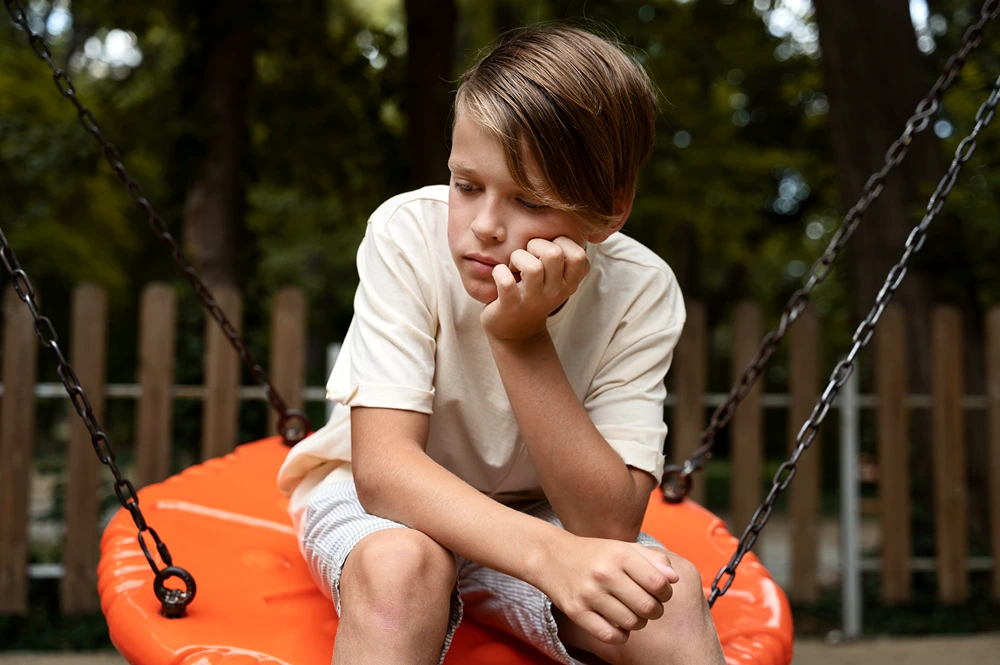
Children with social anxiety often experience physical symptoms like sweating, trembling, stomach aches, or rapid heartbeat in social settings. Emotionally, they may feel overwhelmed, withdrawn, or overly self-conscious.
Unlike typical nervousness, social anxiety can interfere with a child’s development, academic performance, and overall well-being. It often leads to avoidance behaviors, such as skipping school or isolating from peers, which can further impact confidence and mental health.
Early recognition and supportive interventions like martial arts can help children develop coping skills, build resilience, and gradually become more comfortable in social situations.
How Martial Arts Helps Kids Deal with Social Anxiety and Bullying?
Martial arts can help kids feel more confident, calm, and strong both inside and out. For children who struggle with social anxiety or bullying, joining a martial arts class gives them a safe space to grow.
They learn how to stay focused, stay calm under pressure, and believe in themselves. As they practice, they gain skills and earn belts, which builds confidence and pride.
Martial arts also teaches respect, discipline, and how to handle conflict without violence. Kids make new friends, learn to work with others, and feel like part of a team. For those who have been bullied, martial arts helps them stand tall, speak up, and feel safer.
Over time, many children become less anxious and more comfortable in social settings. It’s a powerful way to help kids become stronger, inside and out.
Martial Arts and Emotional Discipline
Martial arts teaches kids more than just kicks and punches it helps them control their emotions, too. In every class, children learn how to stay calm, even when they’re upset or frustrated. They practice listening, following instructions, and being patient.
This builds emotional discipline, which means knowing how to handle feelings in a smart and respectful way. When kids feel angry or nervous, martial arts gives them tools to breathe, focus, and stay in control.
This is helpful both in and outside of class at home, at school, or with friends. Over time, kids learn not to react quickly with anger or fear, but to think before they act. Emotional discipline helps children grow into more confident, respectful, and responsible individuals.
Psychological Benefits of Martial Arts for Anxious Children
Here are some crucial benefits of martial arts for anxious children.
Boosts Self-Esteem
When kids learn new moves or earn a new belt in martial arts, they feel proud of what they’ve done. These small wins show them that hard work pays off. It builds their confidence and helps them believe in themselves. Reaching goals makes kids feel stronger, braver, and ready to try new things.
Reduces Stress and Anxiety
Martial arts include physical exercise and breathing techniques that help kids feel calm and relaxed. Moving the body helps release stress, while deep breathing slows the heart rate and clears the mind. These simple practices teach kids how to handle anxiety and feel more in control, both during class and in everyday life.
Improves Focus and Attention
Martial arts teaches kids to focus on the moment whether it's learning a move or listening to their instructor. This practice of staying present helps improve their concentration and mental clarity. Over time, kids become better at paying attention in school, staying calm under pressure, and thinking more clearly in different situations.
Builds Emotional Control
In martial arts, kids learn how to stay calm when they feel upset, scared, or angry. Through practice and guidance from their instructor, they understand how to handle their emotions in a smart and respectful way.
Instead of reacting quickly, they learn to breathe, think, and make better choices. This helps them stay in control during tough situations at home, school, or with friends.
Encourages a Growth Mindset
In martial arts, kids learn that making mistakes is a normal part of learning. Instead of feeling bad, they’re encouraged to try again and improve. This helps them see failure as a chance to grow, not something to fear. Over time, they become more confident and willing to take on new challenges without giving up.
Promotes Social Connection
Martial arts classes create a friendly and respectful space where kids train together and support each other. This teamwork helps anxious children feel included and less alone.
They make friends, learn to trust others, and feel like they belong. Being part of a group boosts their confidence and makes it easier for them to interact in social situations.
Which Martial Arts Styles Are Best for Kids Facing Social Challenges?
Learn here some important styles of martial arts for those kids who are facing social challenges.
Brazilian Jiu-Jitsu (BJJ)
Brazilian Jiu-Jitsu focuses on technique and leverage rather than strength, making it ideal for kids of all sizes. Training often involves working closely with partners, which builds teamwork, trust, and social confidence. This helps shy or anxious children feel more connected and supported in a safe, respectful environment.
Karate
Karate teaches kids respect, discipline, and how to follow a clear structure. Classes are organized with step-by-step progress, helping children know what to expect and how to improve.
This structured approach builds their confidence, sharpens focus, and gives them a sense of achievement with every new belt or skill they earn.
Taekwondo
Taekwondo is known for its high-energy kicks and fast-paced movements, which keep kids engaged and active. Instructors often use positive reinforcement to encourage progress, helping kids feel proud of their efforts.
The belt system motivates children to set goals and work toward them, building self-esteem and a strong sense of accomplishment over time.
Judo
Judo teaches kids how to use balance and throws to control opponents safely. It emphasizes mutual respect, teaching students to treat others kindly and fairly.
Practicing with partners helps children develop trust and cooperation. Judo also trains them to stay calm and think clearly, even in challenging or high-pressure situations.
Kung Fu
Kung Fu combines physical movement with mindfulness, helping kids strengthen both their bodies and minds. Through flowing routines and focused practice, children learn to stay present, control their impulses, and manage emotions.
This balance of activity and awareness supports better focus, self-control, and emotional well-being in everyday life.
Conclusion
Martial arts provides kids with a powerful tool to overcome social anxiety and bullying. It offers a structured environment where they can develop essential life skills such as discipline, respect, and emotional control. Through regular practice, children gain confidence, build social connections, and learn to manage stress.
The supportive community and the physical and mental challenges of martial arts foster resilience, making it easier for kids to face their fears and grow stronger.
For many children, martial arts become not only a way to defend themselves but also a path to greater self-awareness and personal growth.
FAQ
Ques1. Can Martial Arts Help Shy Kids Feel More Confident Around Others?
Ans - Yes, martial arts help shy kids build confidence step by step. Learning new skills, earning belts, and practicing in a supportive environment boost self-belief and help kids feel more comfortable interacting with others.
Ques2. How Does Martial Arts Training Teach Kids To Handle Bullies Calmly?
Ans - Martial arts focus on awareness, self-control, and confidence not fighting. Kids learn how to stay calm, avoid conflict, and respond wisely, which often discourages bullies without physical confrontation.
Ques3. Will Martial Arts Help My Child Speak Up And Set Boundaries?
Ans - Yes, martial arts teach kids to use strong body language, eye contact, and clear communication. This helps them say “no” confidently and set personal boundaries in social situations.
Ques4. Can Martial Arts Improve Social Skills And Teamwork In Anxious Kids?
Ans - Absolutely. Group classes encourage teamwork, respect, and cooperation. Kids practice drills together, make friends, and gradually feel more comfortable being part of a group.
Ques5. Is Martial Arts A Safe Way For Kids To Build Confidence Without Aggression?
Ans - Yes, martial arts emphasize discipline, respect, and control. Kids learn that strength is about self-control, not aggression, making it a safe and positive way to build confidence.