
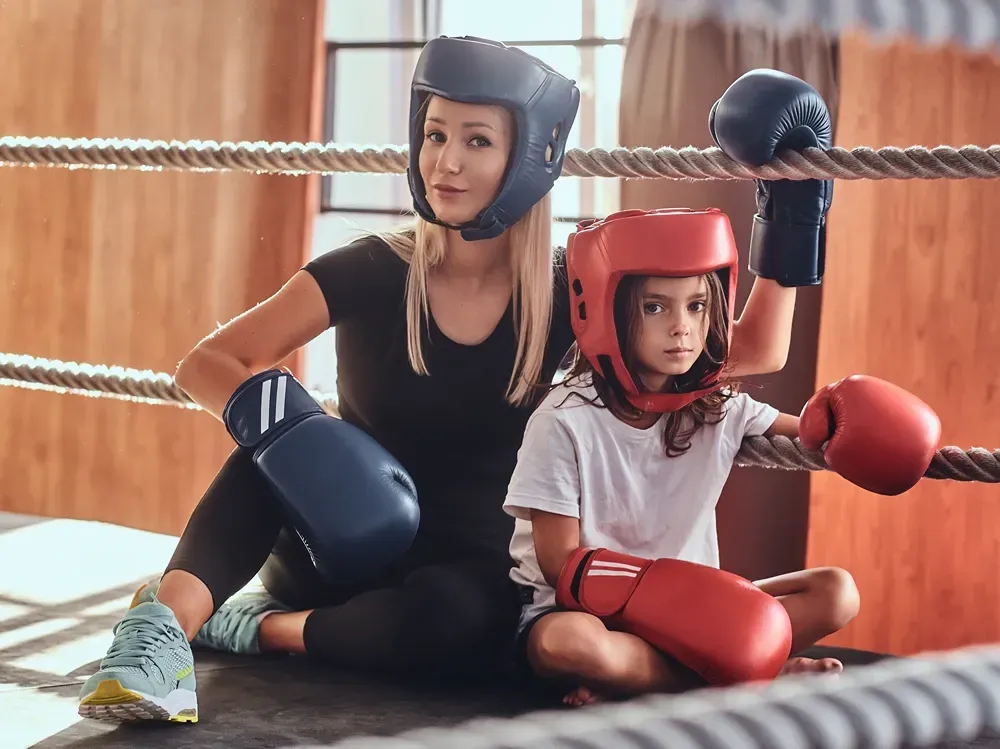
Parent & Child Training Sessions: Strengthening Bonds Through Shared Martial Arts
Best Age to Start Parent-Child Training
Developing Mutual Respect on the Mat
Mental Health Benefits for Families
Choosing the Right Martial Art
Ques1. Can Parents And Kids Really Train Together In The Same Martial Arts Class?
Ques2. How Does Parent-child Martial Arts Training Improve Family bonding?
Ques3. Is Martial Arts Safe For Kids When Training With Adults?
Ques4. What Skills Do Parents And Kids Gain From Training Together?
Ques5. Do Parent-Child Classes Help Kids Stay More Motivated In Martial Arts?
In today’s fast-paced world, finding quality bonding time with your child can be a challenge. That’s where parent-child martial arts training steps in, offering a unique way to connect, grow, and strengthen your relationship through shared goals and experiences.
These sessions go beyond physical fitness; they build trust, communication, and lifelong memories. Whether you're both beginners or seasoned athletes, training side by side creates a powerful dynamic that brings families closer together.
Ready to kick-start a stronger bond? Let’s dive in!
Best Age to Start Parent-Child Training
The best age to start parent-child martial arts training depends on the child’s development, but many programs welcome kids as young as 4 or 5. At this age, children can begin learning basic movements, listening skills, and following instructions, key foundations for martial arts.
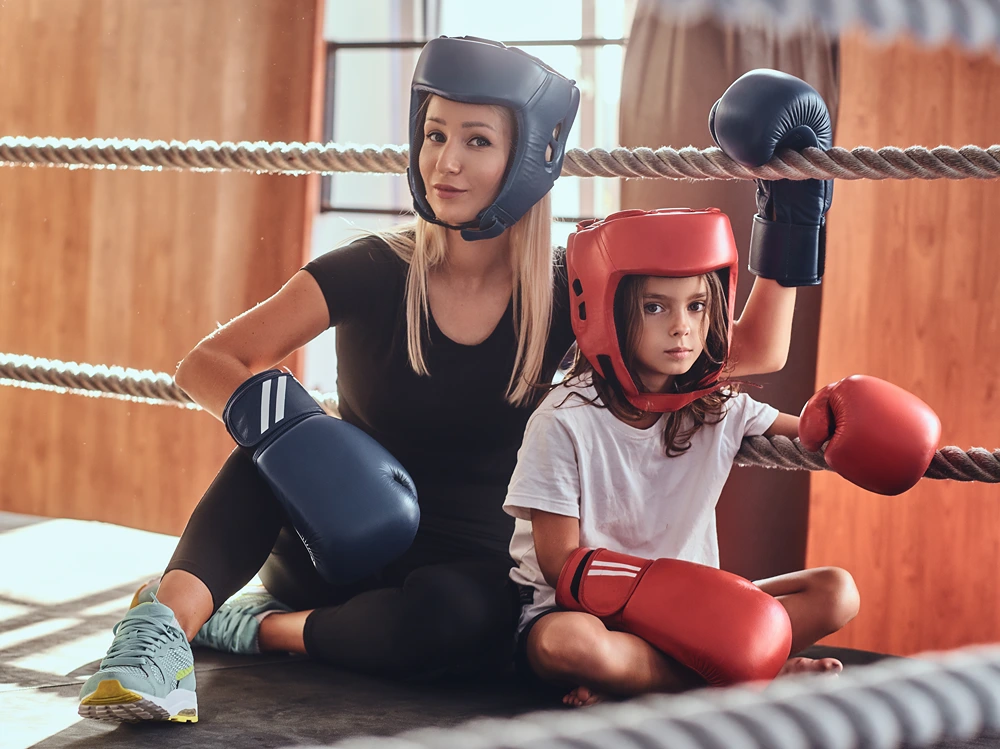
Parents benefit too, as early training creates shared routines and encourages healthy habits. As children grow, training can evolve into more structured sessions with higher-level techniques.
Ultimately, the best time to start is when both parent and child are ready to commit, learn together, and have fun on the mat.
Developing Mutual Respect on the Mat
Training together in martial arts helps parents and children build mutual respect naturally and powerfully. On the mat, both follow the same rules, learn the same skills, and face similar challenges. Children see their parents as learners, not just teachers, which helps them understand that everyone has something to improve.
Parents also gain a new appreciation for their child’s focus and effort. This shared experience creates a strong bond, where both sides listen, support, and encourage each other.
Respect grows through teamwork, discipline, and the simple act of showing up and working hard, side by side. It’s a lesson that often carries over into everyday life at home.
Mental Health Benefits for Families
Here are some of the primary health benefits for families:
Stress Relief
Stress relief is one of the biggest benefits of martial arts for families. The physical activity helps release built-up tension and boosts mood through the release of endorphins. For parents, it’s a break from daily responsibilities; for kids, it’s a fun outlet for energy and emotions. Training together also creates a supportive environment that eases mental pressure.
Emotional Bonding
Emotional bonding deepens when parents and children face challenges together, especially in martial arts, where growth requires effort, patience, and teamwork. Whether it's learning a new move or preparing for a belt test, working toward a shared goal builds trust and connection.
Encouraging each other through struggles and celebrating wins together strengthens emotional ties, creating lasting memories and a stronger sense of unity both on and off the mat.
Confidence Boost
Achieving goals in martial arts like earning a new belt or mastering a technique gives both parents and children a sense of accomplishment. Doing this together builds mutual pride and self-esteem.
Children feel empowered seeing their progress, while parents gain confidence in their role as supporters and role models. This shared success boosts confidence on and off the mat.
Better Communication
Martial arts training encourages clear communication and active listening between parents and children. Working together on drills or partner exercises requires focus, cooperation, and understanding. Parents learn to guide without overstepping, while kids learn to express themselves respectfully.
This teamwork builds a stronger connection and improves how families communicate and solve problems outside of class as well.
Mindfulness
Martial arts promotes mindfulness by encouraging focus and presence in the moment. Both parents and children learn to control their breath, stay calm under pressure, and center their thoughts.
This practice helps reduce anxiety and enhances mental clarity. The ability to stay focused and composed in training carries over into daily life, improving decision-making and emotional regulation at home.
Choosing the Right Martial Art
Consider Fitness Goals
Different martial arts target various fitness aspects. Karate emphasizes strength, flexibility, and balance through striking techniques and stances. Brazilian Jiu-Jitsu, on the other hand, builds endurance and grappling skills, focusing on ground techniques and submissions.
If your family’s goal is to improve flexibility and strength, Karate might be a good fit, while BJJ is perfect for building endurance and mastering self-defense techniques on the ground. Choose based on your fitness preferences.
Age Appropriateness
Martial arts like Taekwondo are great for younger children because of their structured format, focusing on basic movements, discipline, and respect. The clear belt system also keeps kids motivated.
On the other hand, Muay Thai, with its intense striking techniques and conditioning, is more suitable for older kids and adults who are ready for a tougher training regimen. Choose based on age and skill level.
Self-Defense Focus
If practical self-defense is the goal, Krav Maga and Brazilian Jiu-Jitsu are excellent choices. Krav Maga focuses on quick, effective defense against real-world threats, while Jiu-Jitsu teaches how to control or subdue opponents, especially in close combat. Both offer invaluable skills for protection in everyday situations.
Cultural Interest
Martial arts like Kung Fu and Aikido are deeply rooted in their respective cultures, offering more than just physical training. Kung Fu introduces Chinese philosophy and tradition, while Aikido emphasizes Japanese principles of harmony and balance. These arts are ideal if you're interested in exploring cultural aspects alongside self-discipline and techniques.
Class Structure
Martial arts like Judo and Karate offer structured belt systems and rank progression, which can motivate children by setting clear goals and milestones.
In contrast, Capoeira emphasizes free movement, rhythm, and creativity, allowing kids to express themselves through dance-like techniques. Choose based on whether your child prefers structure or creative freedom.
Availability of Local Classes
It's crucial to find reputable schools or instructors when choosing a martial art. A skilled, supportive instructor helps both parents and children succeed by providing proper guidance, encouragement, and feedback.
Look for schools with positive reviews and experienced teachers who create a safe, welcoming environment, ensuring everyone can thrive and enjoy their training.
Conclusion
Parent and child martial arts training offers much more than physical benefits, it’s a unique opportunity to deepen your relationship while learning valuable life skills. From boosting confidence and improving communication to fostering mutual respect, these shared sessions create lasting memories and strengthen family bonds.
As you work together towards common goals, you’ll not only improve fitness but also build a foundation of trust and support that extends beyond the dojo.
No matter which martial art you choose, the experience of training side by side will bring your family closer and empower each member for years to come.
FAQ
Ques1. Can Parents And Kids Really Train Together In The Same Martial Arts Class?
Ans - Yes, many programs are designed so parents and children can train side by side, learning skills together at a comfortable pace.
Ques2. How Does Parent-child Martial Arts Training Improve Family bonding?
Ans - Training together builds trust, teamwork, and shared goals, creating quality time beyond screens and daily routines.
Ques3. Is Martial Arts Safe For Kids When Training With Adults?
Ans - Yes, classes focus on controlled movements, safety rules, and age-appropriate techniques for both parents and children.
Ques4. What Skills Do Parents And Kids Gain From Training Together?
Ans - Both develop confidence, discipline, communication skills, and mutual respect through shared practice and challenges.
Ques5. Do Parent-Child Classes Help Kids Stay More Motivated In Martial Arts?
Ans - Absolutely. Kids feel encouraged and supported when parents participate, making training more fun and consistent.