
Movement-Based Discipline Training For Kids
What Is Movement-Based Discipline Training For Kids?
Why Children Learn Better Discipline Through Movement?
How Physical Activities Improve Focus And Self-Control In Kids?
Benefits Of Movement-Based Discipline For Child Development
Healthy Way to Release Extra Energy
Builds Confidence From Small Wins
Creates Discipline That Feels Positive
Why Movement-Based Training Is Better Than Punishment?
Ques1. Is Movement-Based Discipline Suitable For All Children?
Ques2. Can Movement-Based Discipline Help With School Behavior?
Ques3. Does This Method Replace Rules And Boundaries?
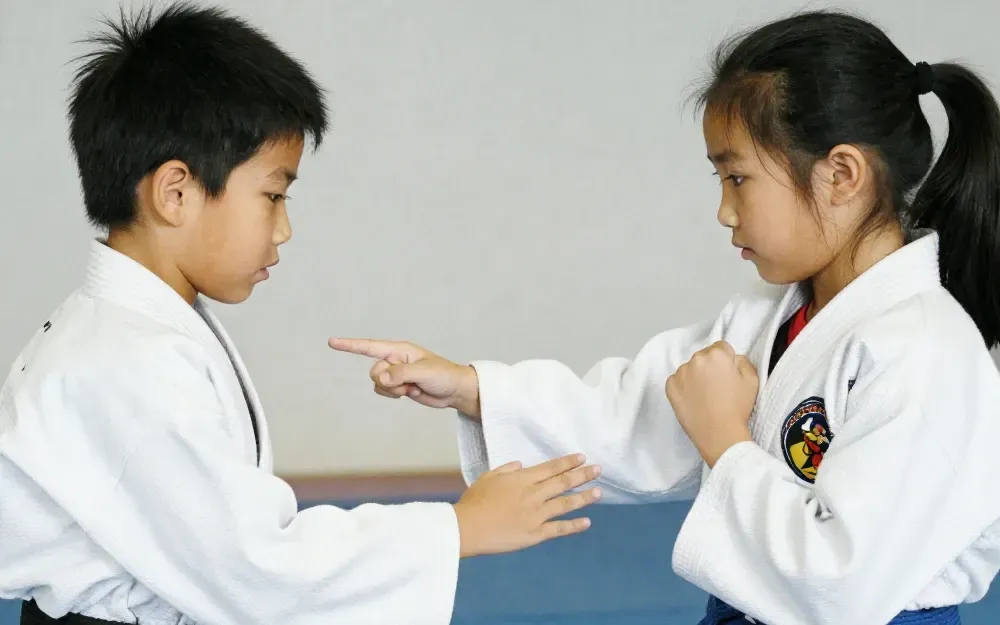
Movement-based discipline training for children is a smart and healthy way to teach children self-control, focus, and good behavior through physical activities. Instead of forcing children to sit still or using harsh punishments, this method uses movement, games, and structured exercises to channel their energy in a positive direction.
Children learn discipline through movement, which improves both their behavior and their physical health. This method is especially effective because children naturally love to move, making discipline learning fun, interesting, and stress-free rather than boring or difficult.
What Is Movement-Based Discipline Training For Kids?
Movement-based discipline training for children is a teaching method that uses physical movement to build discipline, focus, and self-control. Instead of correcting behavior solely through rules or punishment, children learn through activities such as games, drills, stretching, and guided exercises.
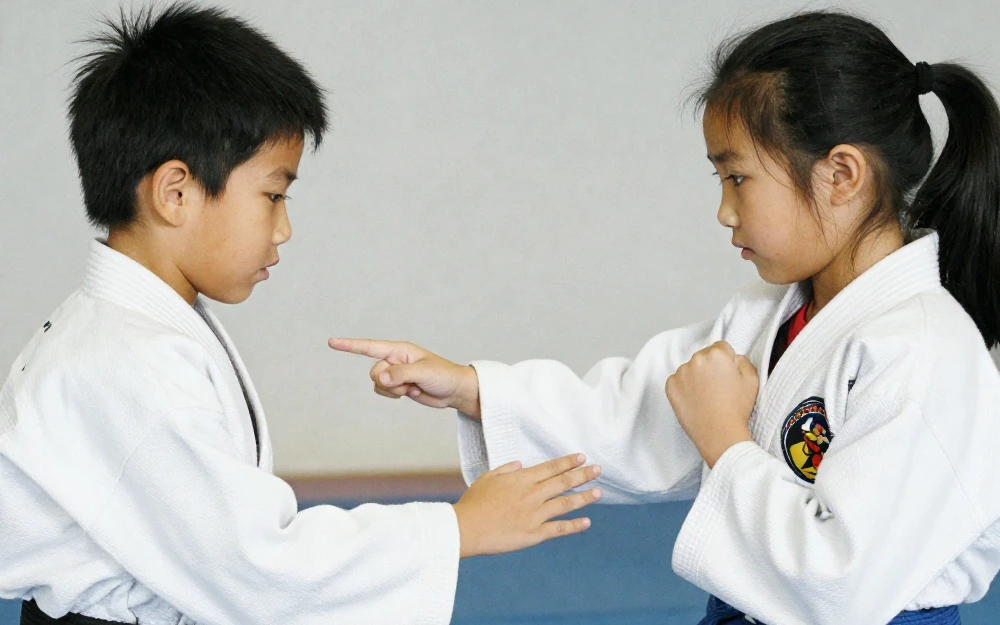
These movements help children release excess energy, follow instructions, and understand boundaries positively. Over time, children learn patience, listening skills, and respect through physical activity. This method works well because children learn best when both their bodies and minds are involved, making discipline more natural and effective.
Why Children Learn Better Discipline Through Movement?
Children learn discipline better through movement because their bodies and minds are naturally active. When children move, run, stretch, or do structured activities, they can release excess energy that often leads to restlessness or misbehaviour.
Movement improves focus, listening skills, and emotional control, making it easier for children to follow rules and routines. Physical activities also teach patience, turn-taking, and respect for instructions in a fun and positive way.
Instead of feeling constrained, children stay engaged and motivated. Over time, regular movement-based training builds good habits, self-discipline, and confidence, helping children behave better both at home and at school.
How Physical Activities Improve Focus And Self-Control In Kids?
Physical activity helps children improve focus and self-control by giving them the opportunity to use their energy in a healthy way. When children move their bodies through games, exercise, or structured training, their minds become more active and alert.
This helps them concentrate better and follow instructions. Physical activities also teach children to wait their turn, listen carefully, and control their actions while performing tasks. Over time, regular movement builds patience and emotional balance.
Children learn to calm themselves, manage frustration, and stay focused for longer periods of time, which improves their behavior in school and everyday life.
Benefits Of Movement-Based Discipline For Child Development
Here are 5 crucial benefits of movement-based discipline for child development ➖
Better Focus Without Pressure
Children don't need to be forced to sit in one place to learn. When children are allowed to move, their minds become calmer and more focused. Movement reduces anxiety, making it easier for children to pay attention, understand lessons, and learn without feeling stressed or pressured.
Healthy Way to Release Extra Energy
Instead of labeling children as "too active," movement gives them a safe space to run, play, and express their energy. This helps healthily release built-up frustration and anger, leaving children feeling happier, calmer, and more understood.
Stronger Emotional Control
Through guided activities, children gradually learn patience, self-control, and how to manage their emotions positively. These activities teach children how to remain calm, listen, and react effectively to different situations. The skills they learn help them behave better every day at school and at home.
Builds Confidence From Small Wins
Whenever a child completes a movement or task, they feel a sense of accomplishment and pride. These small successes build self-belief and confidence. When children feel good about themselves, they are more motivated to behave positively and put in more effort in learning and daily tasks.
Creates Discipline That Feels Positive
With movement-based training, discipline becomes a natural habit rather than a punishment. Children learn the meaning of rules through regular activity and practice. They follow instructions because they understand why they are necessary, not because they are afraid, which builds trust, confidence, and positive behavior.
Why Movement-Based Training Is Better Than Punishment?
Movement-based training is better than punishment because it teaches children discipline positively and healthily. Punishment may temporarily stop bad behavior, but it often creates fear, stress, or anger in children.
On the other hand, movement-based training helps children learn self-control, focus, and responsibility through physical activities. Children understand rules by practicing, not by fearing consequences. This approach builds confidence, emotional balance, and trust between children and adults. Over time, children develop good habits and discipline that stick with them, making behavior improvement more natural and long-lasting.
Conclusion
Movement-based discipline training for children creates a healthy balance between physical activity and good behavior. It helps children learn discipline through action, not pressure or fear. By moving, playing, and following structured activities, children naturally develop focus, patience, and emotional control.
This method helps children develop mentally and physically while keeping them engaged and happy. When discipline is taught through movement, it becomes a healthy habit that children enjoy and carry into their daily lives at home, school, and elsewhere.
FAQ
Q1. Is Movement-Based Discipline Suitable For All Children?
Ans - Yes, it works well for most children, especially active ones. Activities can be adjusted based on age, ability, and energy level.
Q2. Can Movement-Based Discipline Help With School Behavior?
Ans - Absolutely. It improves focus, listening skills, and self-control, which helps children behave better in the classroom.
Q3. Does This Method Replace Rules And Boundaries?
Ans - No. Rules are still important, but children learn to follow them through action and practice, rather than fear.
Q4. How Often Should Kids Do Movement-Based Activities?
Ans - Even 20-30 minutes a day can make a big difference in behavior, mood, and focus.
Q5. Is Movement-Based Discipline Better Than Punishment?
Ans - Yes. It builds long-term discipline by teaching understanding and self-control, not fear or stress.