
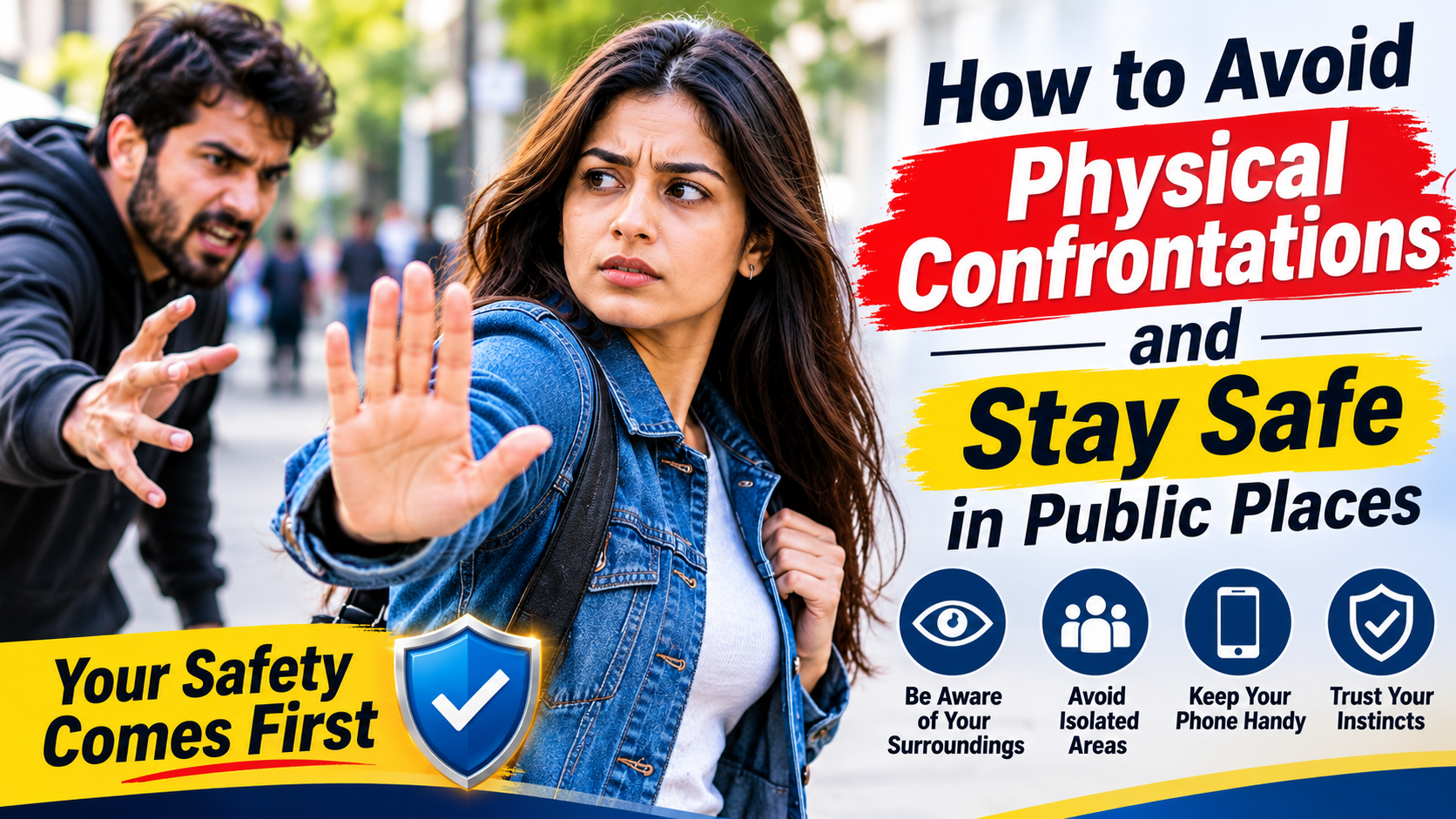
How to Avoid Physical Confrontations and Stay Safe in Public Places
Staying safe in public places is about more than knowing how to defend yourself. It starts with awareness, good decision-making, and understanding how to avoid situations that could turn into physical confrontations. Whether you are walking through a busy street, commuting to work, shopping, or spending time in an unfamiliar area, knowing how to recognize potential risks can make a meaningful difference.
Many people assume that self-defense is only about learning punches, kicks, or fighting techniques. However, effective personal safety begins long before a physical confrontation happens. Recognizing warning signs, maintaining a safe distance, managing emotions, and knowing when to walk away are equally important skills.
Martial arts training can help develop these abilities while improving confidence, discipline, and physical awareness. Learning practical martial arts self-defense principles can help people respond more calmly and make safer decisions in everyday situations.
Understand Your Surroundings and Stay Alert
One of the simplest ways to improve personal safety is to pay attention to what is happening around you. Distractions can make it difficult to notice unusual behavior, approaching individuals, or potentially unsafe situations.
For example, constantly looking at your phone while walking through an unfamiliar neighborhood may prevent you from noticing what is happening nearby. Similarly, wearing headphones at a high volume can make it harder to hear approaching traffic, warnings, or other important sounds.
Developing situational awareness does not mean being afraid of everyone. It simply means staying observant and recognizing when something does not feel right.
A few everyday habits can help:
Look ahead and pay attention to people moving around you.
Avoid unnecessary distractions when walking alone.
Notice available exits and well-lit areas.
Keep your personal belongings secure.
Trust your instincts when a situation feels uncomfortable.
These small habits can help you make better decisions before a situation becomes difficult to manage.
Recognize Early Warning Signs of a Physical Confrontation
Physical confrontations rarely happen without some form of warning. In many situations, tension develops through verbal disagreements, aggressive body language, or unwanted personal contact.
Recognizing these warning signs can give you an opportunity to leave before things escalate.
Pay attention to behaviors such as:
Someone repeatedly moving closer despite your attempts to create space.
Aggressive shouting, threatening language, or repeated insults.
A person following you after you have tried to move away.
Someone blocking your path or preventing you from leaving.
An argument becoming increasingly emotional or unpredictable.
Not every disagreement leads to violence, but recognizing escalating behavior is an important part of staying safe.
If someone appears aggressive, avoid challenging them or trying to prove a point. Your priority should be creating distance and moving toward a safer location.
Avoid Arguments That Can Escalate Into Physical Violence
Arguments in public places can develop unexpectedly. A disagreement over parking, a queue, traffic, or personal space may become more serious when emotions take control.
Reacting aggressively can make the situation worse, even when you believe you are right.
Instead of responding to every comment or provocation, focus on controlling your own reaction.
Use a calm voice and simple statements such as:
"I don't want any trouble."
"Let's leave it here."
"I'm going to move away."
"Please give me some space."
Avoid insults, threats, aggressive gestures, or unnecessary physical contact.
Walking away does not mean you are weak. It shows that you understand the importance of protecting yourself rather than allowing a temporary disagreement to create lasting consequences.
Maintain a Safe Distance and Protect Your Personal Space
Personal space plays an important role in preventing physical confrontations. When someone behaves aggressively, standing too close can reduce your ability to react or move away.
Maintaining a comfortable distance gives you more time to recognize changes in their behavior and find an exit.
If someone approaches you in an aggressive manner:
Avoid moving closer or initiating physical contact.
Keep your hands visible and your posture relaxed.
Position yourself so you can move away easily.
Avoid getting trapped against walls, vehicles, or other obstacles.
Move toward areas with other people or available assistance.
If the person continues approaching, do not wait for the situation to become physical. Leave the area whenever possible.
Understanding personal space and movement is also an important part of martial arts self defense. Traditional training teaches students to become more aware of distance, balance, positioning, and controlled movement.
Choose Safer Routes When Walking or Commuting
Daily travel can sometimes expose people to uncomfortable or unpredictable situations. Whether you are walking to work, using public transportation, or returning home in the evening, planning your route can improve your safety.
Good personal safety habits are especially important for commuters who regularly travel through busy streets or unfamiliar areas.
Consider these practical precautions:
Choose well-lit streets whenever possible.
Stay near populated areas instead of isolated shortcuts.
Keep your phone charged and accessible.
Share your travel plans with someone you trust when appropriate.
Be aware of the people and vehicles around you.
If someone appears to be following you, move toward a busy business or public place and seek assistance.
These martial arts tips for commuters are not about expecting danger everywhere. They are about building everyday awareness and making sensible choices.
Being prepared can help you feel more confident while traveling independently.
Learn When to Walk Away From a Dangerous Situation
One of the most valuable self-defense skills is knowing when not to fight.
Movies and social media often portray physical confrontations as situations where someone must stand their ground. Real-life situations are different. A physical fight can result in serious injuries, legal complications, or unexpected consequences for everyone involved.
Avoiding unnecessary confrontation should always be the first choice.
If someone is trying to provoke you, avoid responding with threats or physical aggression. Create distance, move toward a safe location, and ask for help when necessary.
If you cannot safely leave and an immediate physical threat develops, focus on protecting yourself and creating an opportunity to escape. Use only the level of force permitted by applicable law.
Understanding this principle is an important part of the benefits of self-defense training. Good training emphasizes safety, control, awareness, and responsible decision-making rather than encouraging people to look for fights.
How Martial Arts Training Can Improve Personal Safety
Martial arts can provide more than physical fitness. Regular training can help students develop skills that are useful in everyday situations.
Different martial arts disciplines teach movement, balance, coordination, distance awareness, and controlled responses. These abilities can contribute to better confidence and physical awareness.
Here are some ways martial arts training can support personal safety.
Improved Situational Awareness
Martial arts students learn to pay attention to movement, positioning, distance, and their training environment. With consistent practice, they may become more aware of their surroundings.
Better Emotional Control
Training involves learning how to respond to challenges without allowing frustration to control every reaction. This discipline can be useful when dealing with disagreements outside the training environment.
Greater Physical Confidence
Learning new movements and gradually improving physical skills can help people feel more comfortable with their abilities.
Understanding Distance and Movement
Martial arts practice introduces students to concepts such as balance, footwork, positioning, and maintaining appropriate distance. These skills can support safer movement and awareness.
Discipline and Decision-Making
Consistent training encourages patience, respect, and responsible behavior. Students learn that avoiding unnecessary conflict is often a better decision than reacting emotionally.
You can also explore our guide on how martial arts equip you for real-world protection to understand how training principles relate to everyday personal safety.
Practical Self-Defense Techniques Everyone Should Understand
Self-defense is not always about performing complicated techniques. In many situations, simple actions that help you avoid danger and create an opportunity to escape are more useful.
Some important principles include:
Protect Your Personal Space
Recognize when someone is approaching too closely and create distance before the situation escalates.
Keep Your Balance
Good posture and stable movement can help you avoid stumbling when moving away from an uncomfortable situation.
Use Your Voice
Clear, confident communication can help establish boundaries. If you feel threatened, calling for help may attract attention and discourage further aggression.
Identify an Exit
Pay attention to nearby doors, open spaces, and public areas where you can move to safety.
Prioritize Escape
If a physical confrontation cannot be avoided, focus on protecting yourself and getting away rather than continuing the fight.
Why Women Should Develop Personal Safety Awareness
Personal safety awareness is important for everyone, regardless of age, gender, or physical fitness level. However, women who regularly travel alone or commute during quieter hours may find it particularly useful to develop practical safety habits.
Being aware of surroundings, recognizing uncomfortable behavior, maintaining personal boundaries, and knowing where to seek help can all contribute to safer everyday travel.
Martial arts training can also provide an opportunity to practice movement, coordination, confidence, and basic self-defense principles in a supervised environment.
Women interested in learning more can explore our article on why women should learn martial arts.
The goal is not to encourage confrontation. It is to help individuals feel more prepared, recognize risks, and make informed decisions about their safety.
Make Personal Safety Part of Your Everyday Routine
Personal safety becomes easier to maintain when it is included in your daily habits rather than treated as something to think about only during emergencies.
You do not need expensive equipment or advanced fighting skills to begin improving your awareness. Simple changes in how you travel, communicate, and respond to uncomfortable situations can make a difference.
Consider building these habits into your routine:
Stay aware when walking through unfamiliar places.
Avoid unnecessary arguments and aggressive interactions.
Keep emergency contacts accessible.
Maintain personal boundaries.
Learn basic first-aid and emergency response principles.
Consider joining a martial arts program to develop practical skills and confidence.
If you are interested in building these abilities through structured training, explore our martial arts classes and learn more about the available training options.
Conclusion
Avoiding physical confrontations is one of the most important parts of personal safety. Staying alert, recognizing warning signs, maintaining personal space, and knowing when to walk away can help reduce the risk of dangerous situations in public places.
Martial arts training can further support these habits by developing confidence, discipline, balance, coordination, and an understanding of responsible self-defense.
At White Tiger World, martial arts is about more than physical techniques. It is also about developing awareness, respecting others, and learning to make better decisions under pressure.
Remember, the purpose of self-defense is not to win a fight. It is to protect yourself, avoid unnecessary conflict, and get home safely.
Frequently Asked Questions
How can I avoid physical confrontations in public places?
Stay aware of your surroundings, avoid responding to provocations, maintain personal space, and leave situations that appear to be escalating. Moving toward a populated and safer area can also help.
What is the most important self-defense skill for everyday safety?
Situational awareness is one of the most valuable skills. Recognizing potential risks early gives you more opportunities to avoid confrontation and make safer decisions.
Can martial arts help with real-world self-defense?
Yes. Martial arts training can teach movement, balance, distance awareness, controlled responses, and basic defensive principles. However, training does not guarantee safety in every situation.
What should I do if someone tries to start a fight with me?
Avoid arguing or threatening the person. Maintain distance, look for a safe exit, and move toward other people or a secure location. Contact emergency services if you face an immediate threat.
Are martial arts useful for people who travel or commute regularly?
Martial arts can help develop confidence, coordination, discipline, and awareness of distance and movement. These skills can complement practical commuting safety habits.
Is self-defense only about fighting techniques?
No. Self-defense also includes awareness, prevention, de-escalation, boundary-setting, and knowing when to escape. Avoiding a physical confrontation is often the safest outcome.